Shijiazhuang Topstar
International Trading Co., Ltd.


Get In Touch
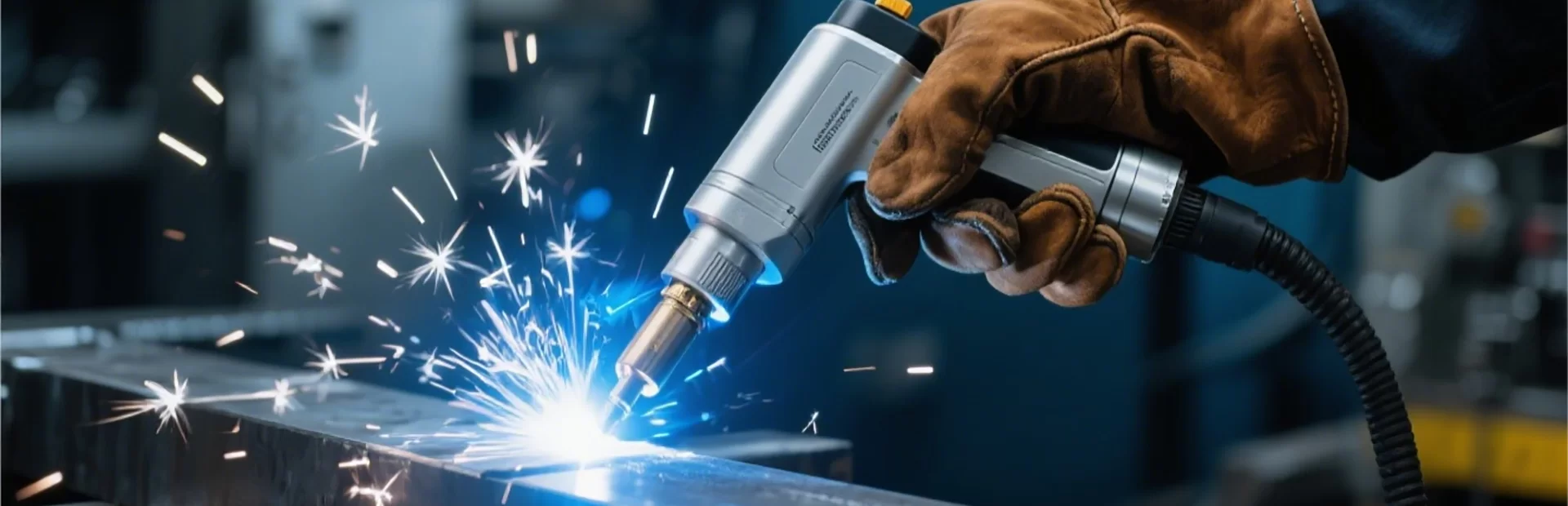
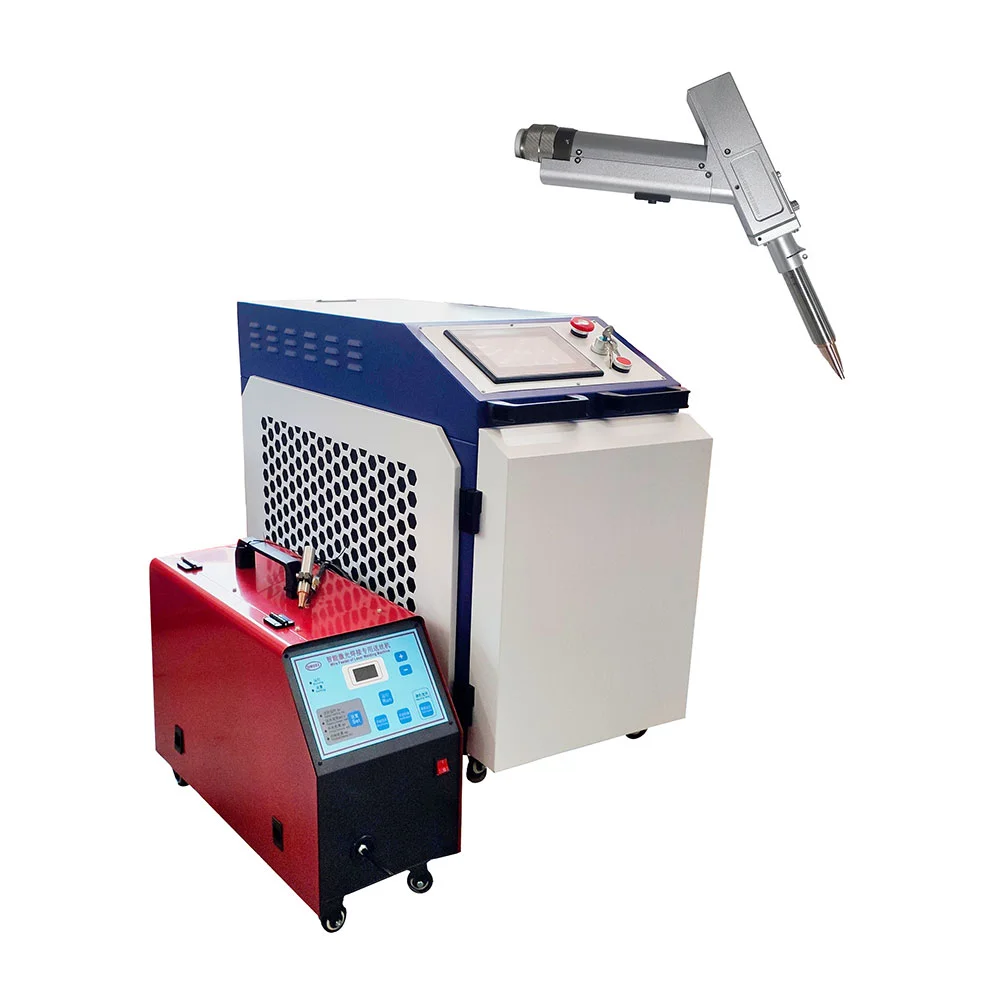
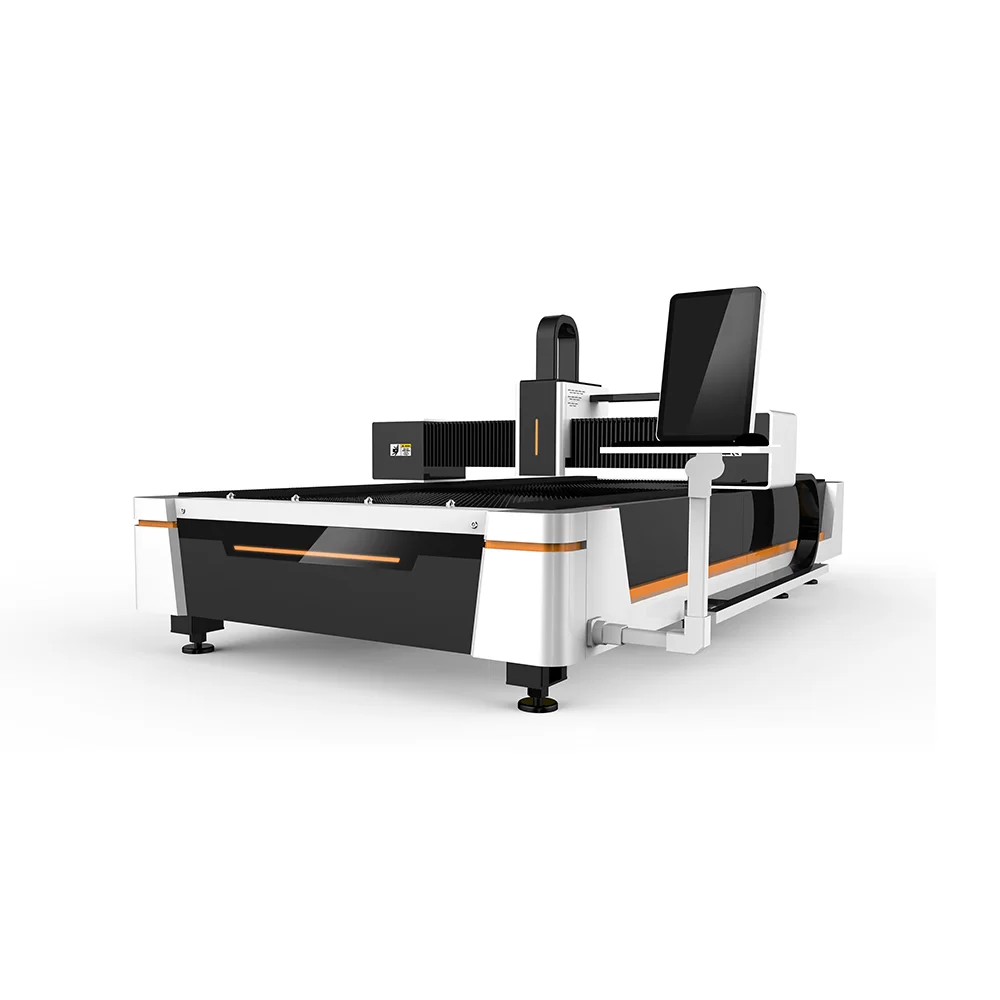
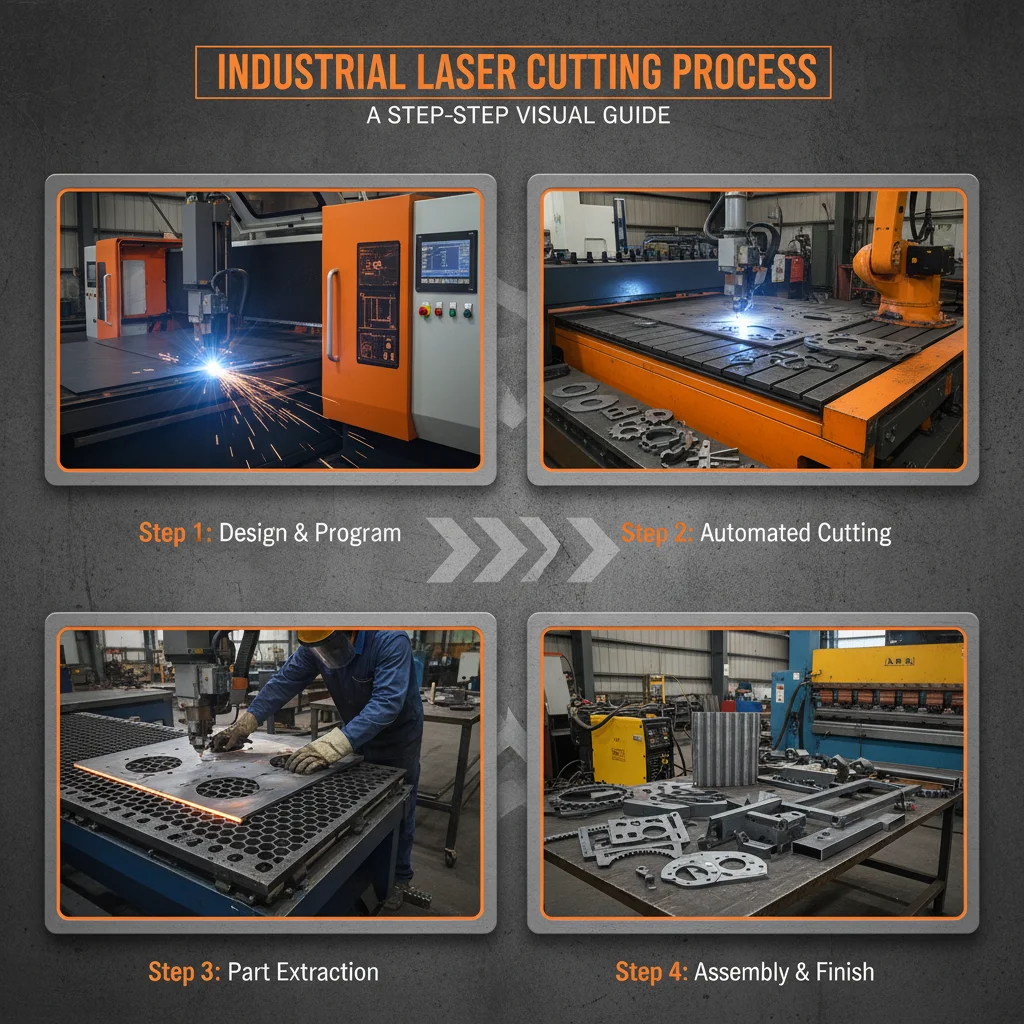
Investing in a metal laser cutting machine is a significant step for any business involved in fabrication, manufacturing, or metalworking. However, understanding the metal laser cutting machine cost can be complex, with prices varying significantly based on factors like power, features, and automation levels. This article provides a comprehensive overview of the costs associated with these machines, helping you make an informed decision. We will cover the various price points and the elements contributing to those costs, as well as outlining potential return on investment.
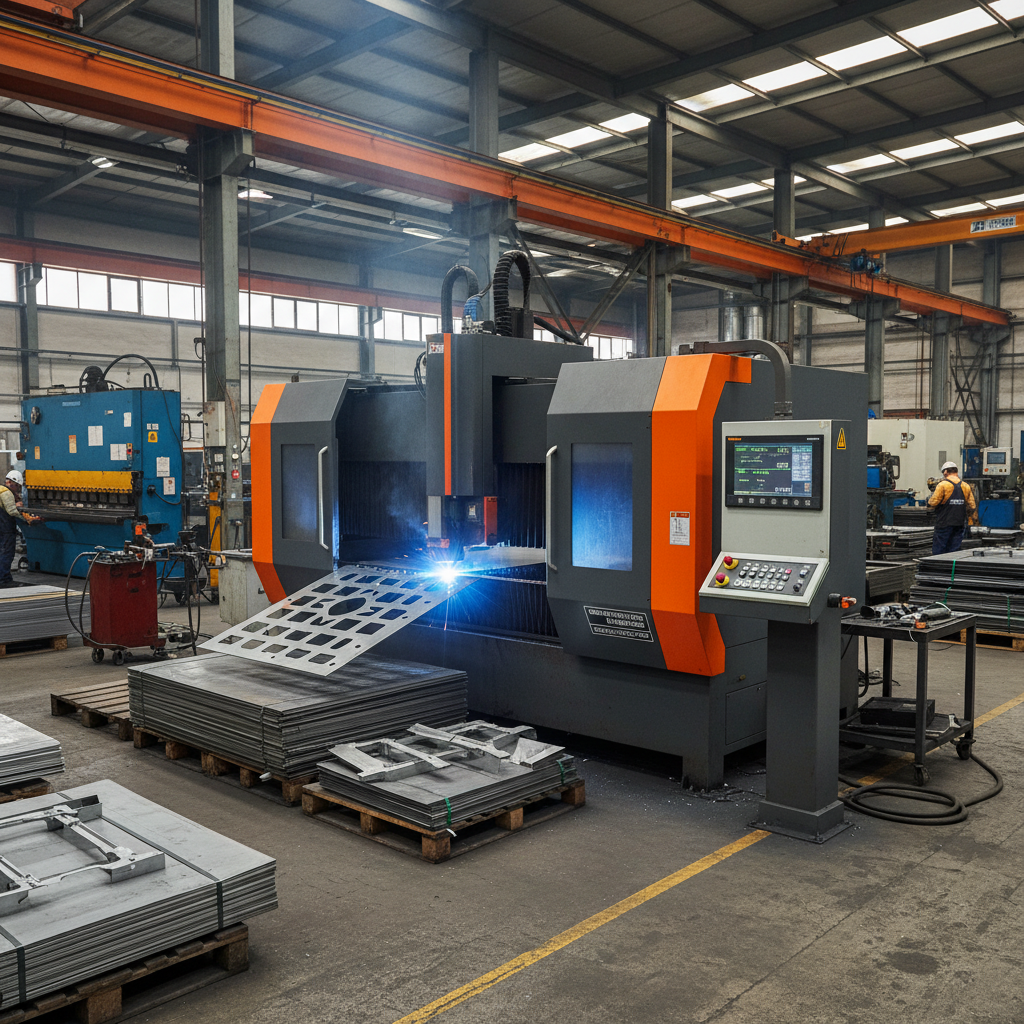
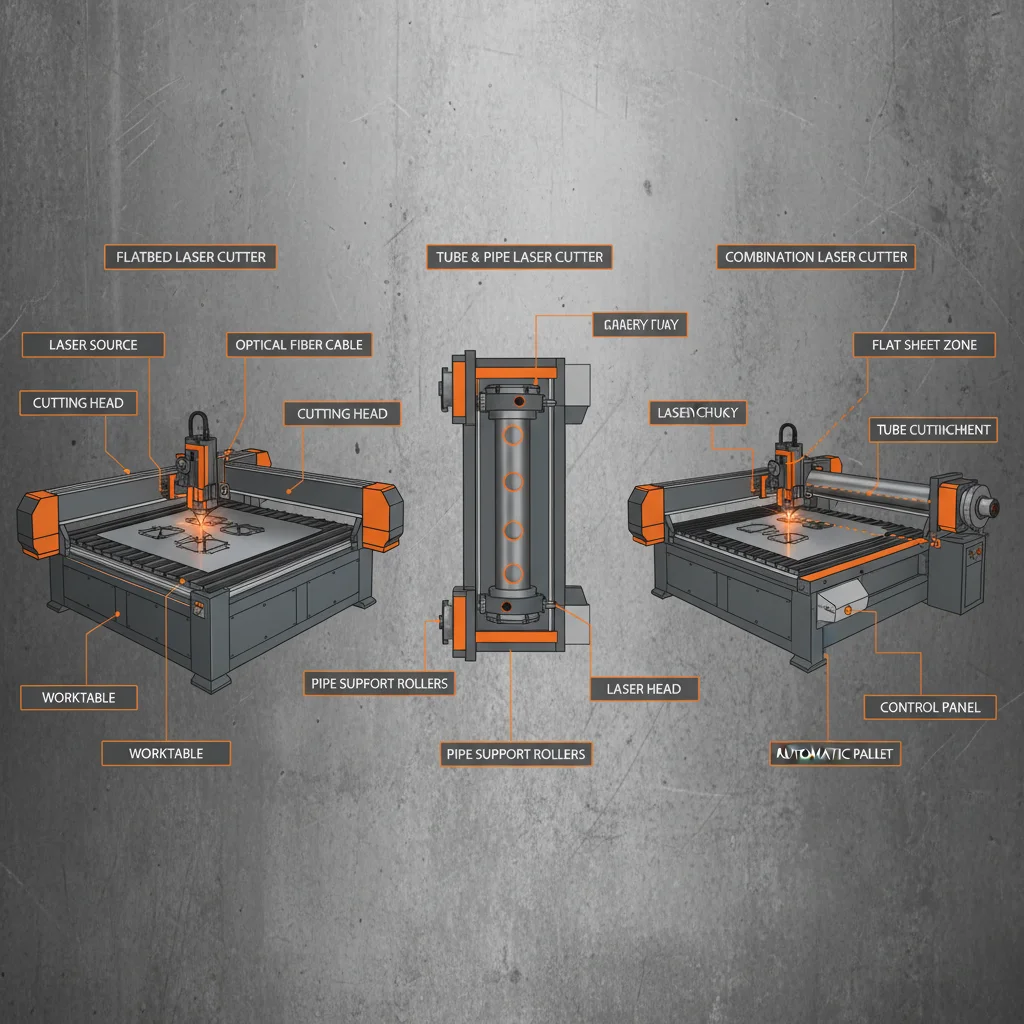
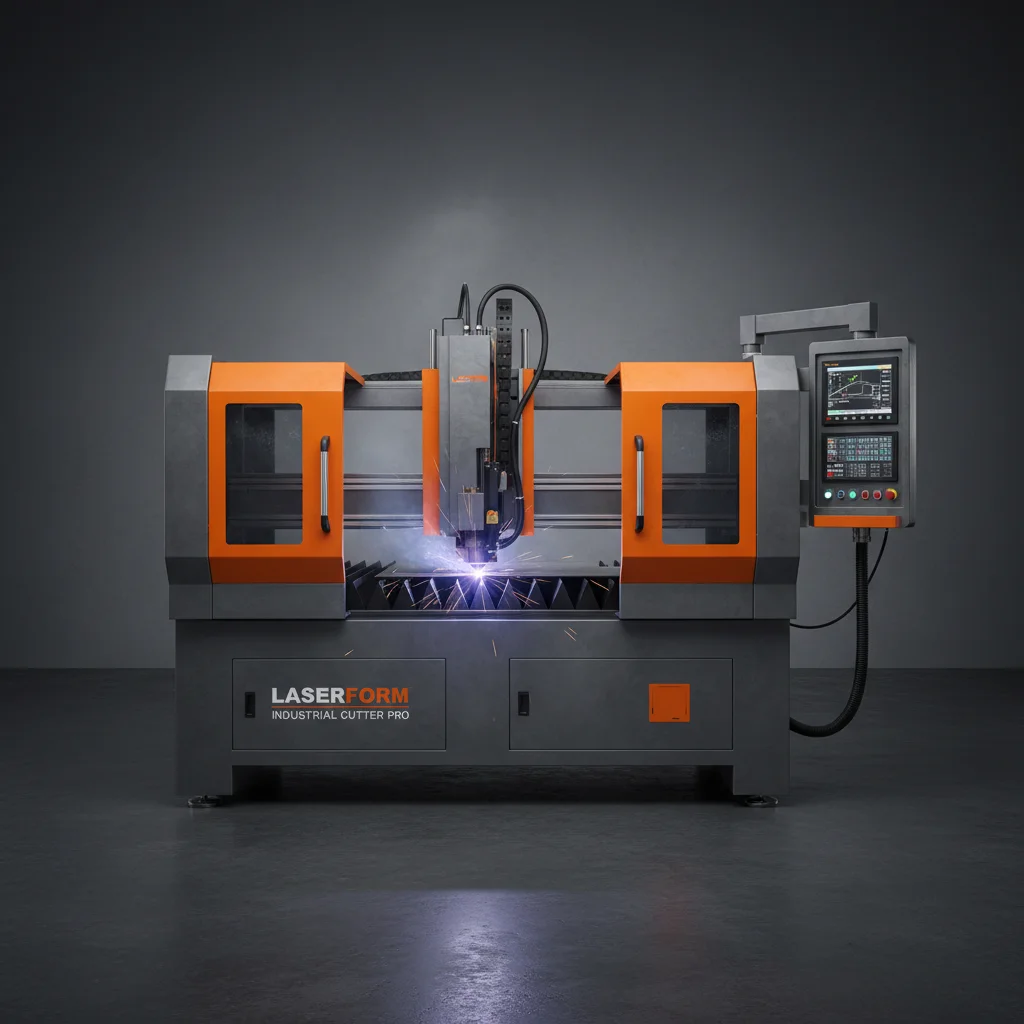
Several key elements dictate the final price of a metal laser cutting machine. The most significant is the laser power. Higher power lasers are capable of cutting thicker materials and operating at faster speeds, but they come with a higher price tag. The type of laser source – fiber, CO2, or crystal – also influences the cost, with fiber lasers generally being the most expensive due to their efficiency and versatility. Automation features, such as automatic sheet loading and unloading systems, contribute significantly to the overall cost, but they can drastically improve productivity. Finally, the working area, or the maximum size of the sheet that can be processed, is another important factor. Larger working areas increase the machine’s versatility but also its price. Topstar Laser offers customizable solutions to fit various budgets and requirements.
Key Considerations: Laser power, laser source type, automation features, and working area are primary drivers of cost.
The price range for metal laser cutting machines is broad, depending on the specifications. Here's a general breakdown:
The initial machine cost isn’t the only expense. You also need to factor in:
Topstar Laser provides comprehensive support packages that can include installation, training, and ongoing maintenance to help mitigate these additional costs.
While CO2 lasers are typically less expensive upfront, fiber lasers offer long-term advantages. Fiber lasers are more energy-efficient, require less maintenance, and can cut a wider range of materials, including reflective metals. CO2 lasers are better suited for non-metallic materials like acrylic and wood. Considering the total cost of ownership, including operating and maintenance expenses, a fiber laser often proves to be the more cost-effective choice for metal fabrication.
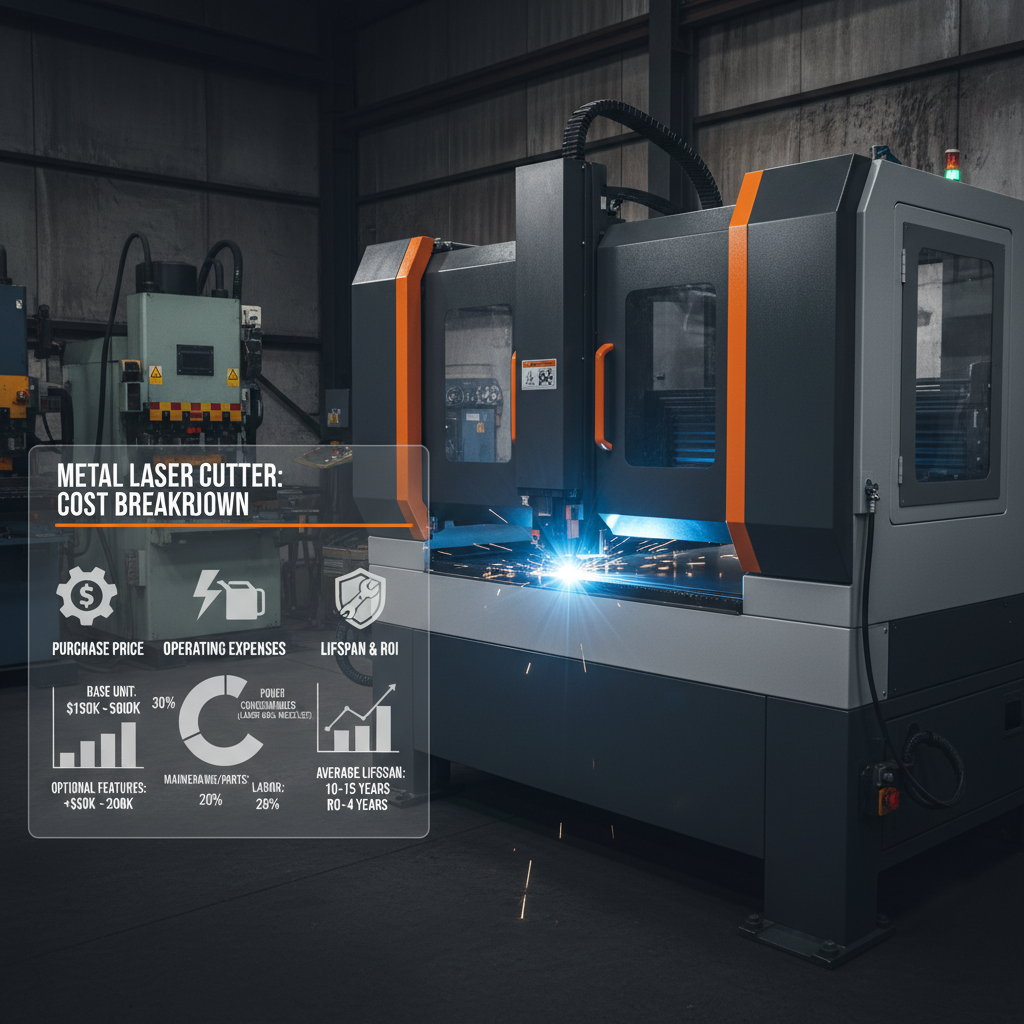
The ROI for a metal laser cutting machine depends on factors like production volume, material costs, labor savings, and the quality of the finished products. Faster cutting speeds, reduced material waste, and the ability to create intricate designs can significantly boost profitability. Topstar Laser provides ROI calculations and consultations to help you assess the potential benefits for your specific business.
Understanding the metal laser cutting machine cost requires careful consideration of various factors. By evaluating your specific needs, production volume, and budget, you can choose the machine that delivers the best value and ROI. Topstar Laser is committed to providing high-quality machines and exceptional support to help your business succeed.
The payback period varies depending on production volume and efficiency. However, many businesses experience a payback period of 2-5 years. Factors that accelerate payback include high utilization rates, reduced labor costs, and minimal material waste. Careful planning and a thorough ROI analysis are crucial for accurately estimating the payback period for your specific application. Choosing the right machine with appropriate automation can significantly reduce this timeframe. Topstar Laser's experts can help assess your unique situation and provide a realistic payback projection.
Several financing options are available, including traditional bank loans, equipment leasing, and manufacturer financing. Topstar Laser often partners with financial institutions to offer competitive leasing and financing solutions to qualified buyers. Leasing can be an attractive option for businesses that want to conserve capital and benefit from tax advantages. Carefully compare the terms and conditions of different financing options to determine the best fit for your budget and financial goals.
While modern laser cutting machines are becoming increasingly user-friendly, some level of technical expertise is still required. Operators need to understand CAD/CAM software, material properties, and basic machine maintenance procedures. Topstar Laser provides comprehensive training programs to ensure operators can safely and efficiently operate the machines. Regular maintenance can often be performed by in-house technicians with proper training, but more complex repairs may require the assistance of a qualified service engineer.
Different materials require varying laser power and assist gas combinations, which can impact cutting costs. For example, cutting aluminum typically requires more power than cutting mild steel. Reflective materials like aluminum and copper can also require specialized laser sources and optics. Thicker materials also require higher power and longer cutting times, increasing the overall cost. Topstar Laser's team can help you determine the optimal settings and configurations for cutting different materials efficiently and cost-effectively.