Shijiazhuang Topstar
International Trading Co., Ltd.


Get In Touch
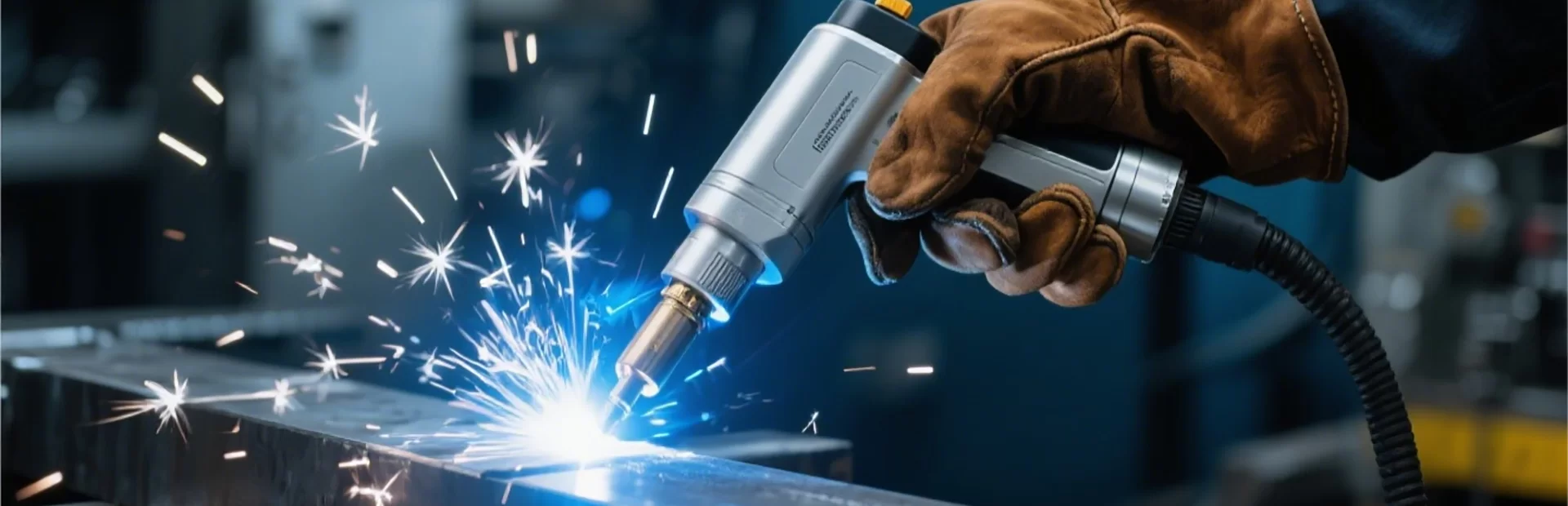
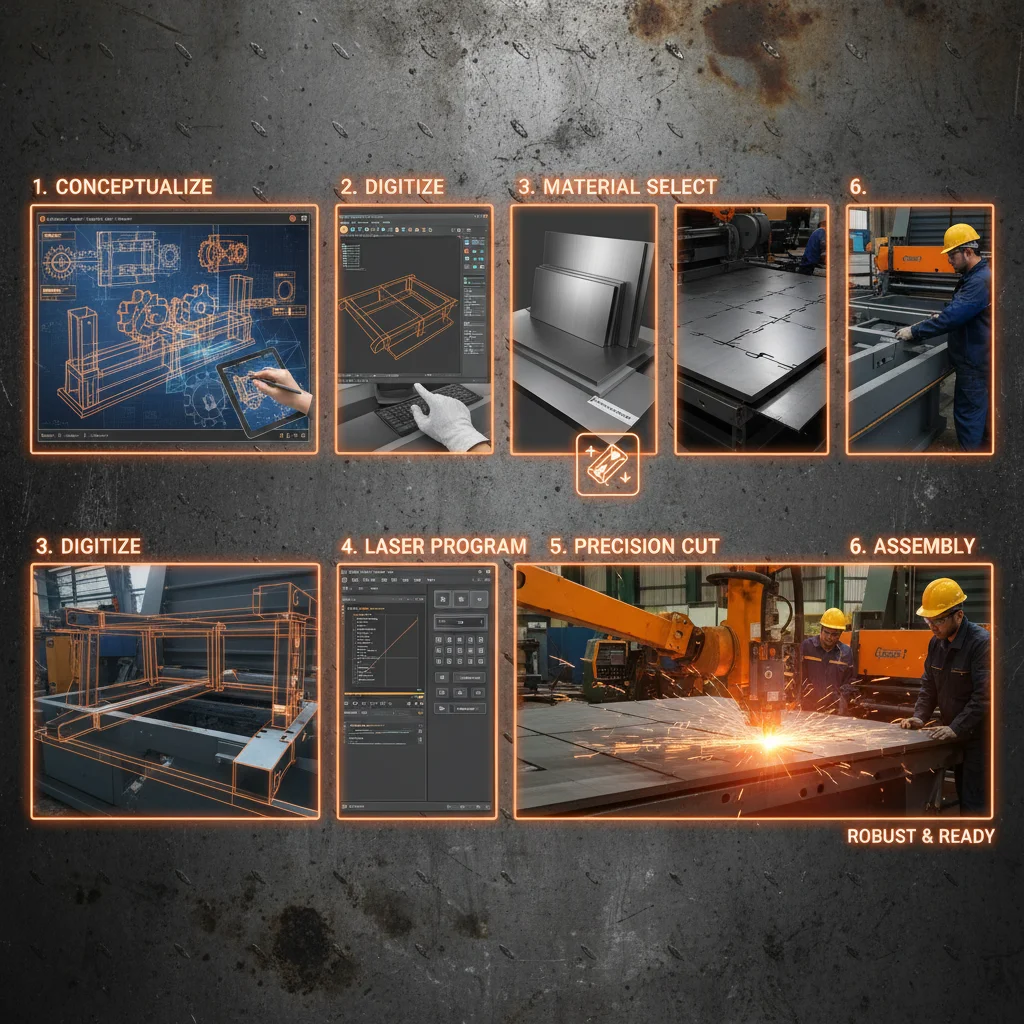
Laser cutting machines have revolutionized numerous industries, offering precision, speed, and versatility. However, maximizing their potential requires a thorough understanding of laser cutting machine operation. This guide will cover essential aspects from safety protocols to optimization techniques, empowering you to achieve optimal results. Whether you're a beginner or an experienced operator, this resource will provide valuable insights to enhance your workflow and output quality. Investing time in learning proper operation is crucial for both machine longevity and production efficiency.
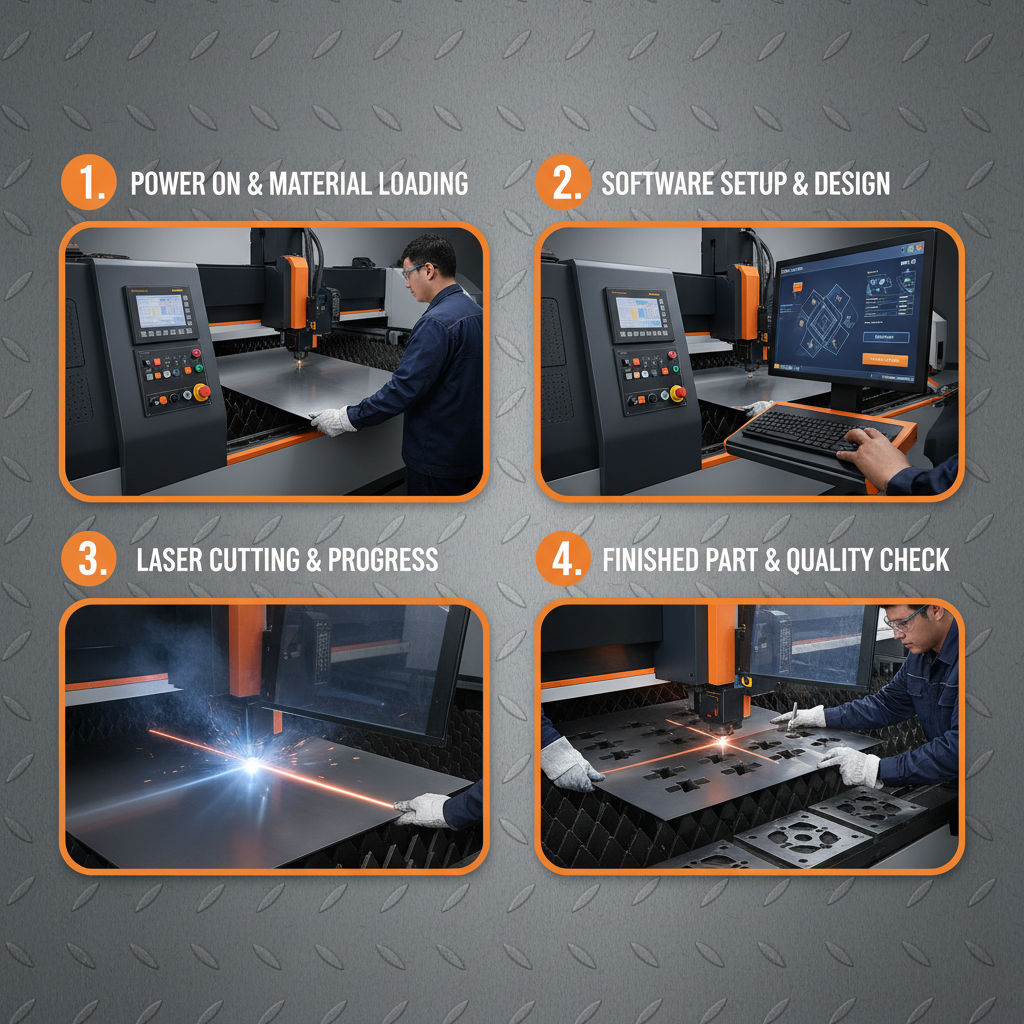
Safety is paramount when operating a laser cutting machine. Always wear appropriate personal protective equipment (PPE), including laser safety glasses specifically designed for the laser's wavelength. Ensure the machine's enclosure is properly interlocked and functioning correctly to prevent accidental exposure to laser radiation. Never leave the machine unattended while it's running. Proper ventilation is essential to remove fumes and particulate matter generated during the cutting process. Regularly inspect the machine for any signs of damage or malfunction. Familiarize yourself with emergency stop procedures and ensure all operators are properly trained. Topstar Laser prioritizes safety in all its machine designs and provides comprehensive safety training resources.
Key Safety Reminders: Wear laser safety glasses, ensure proper ventilation, never leave the machine unattended, and familiarize yourself with emergency procedures.
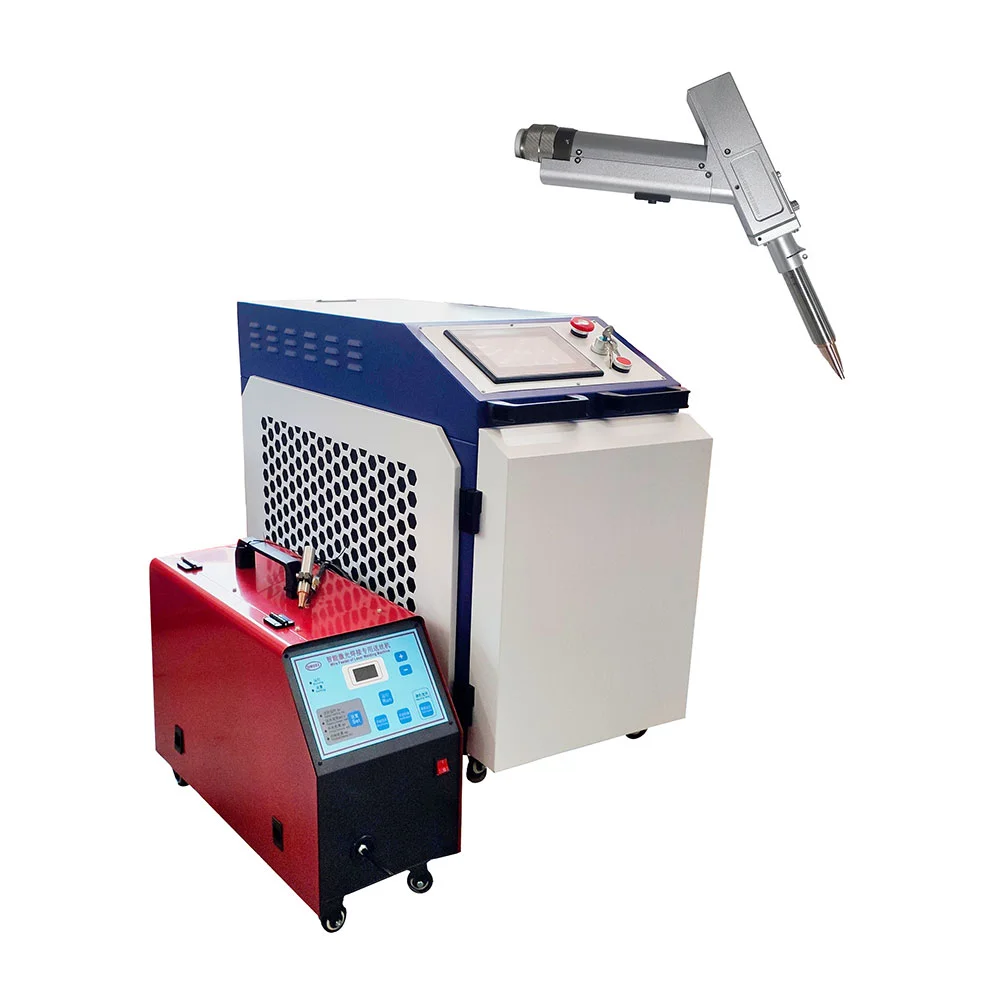
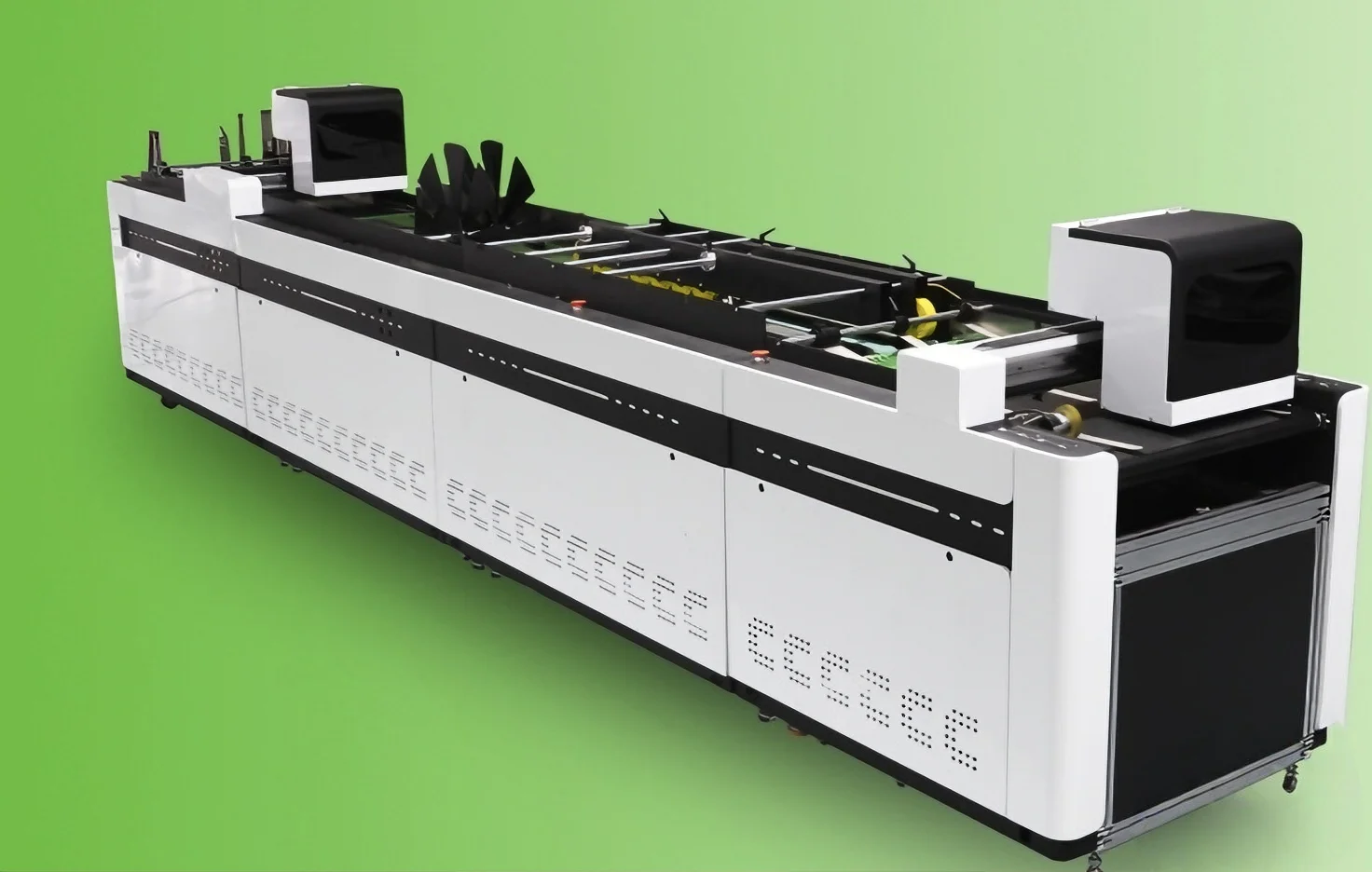
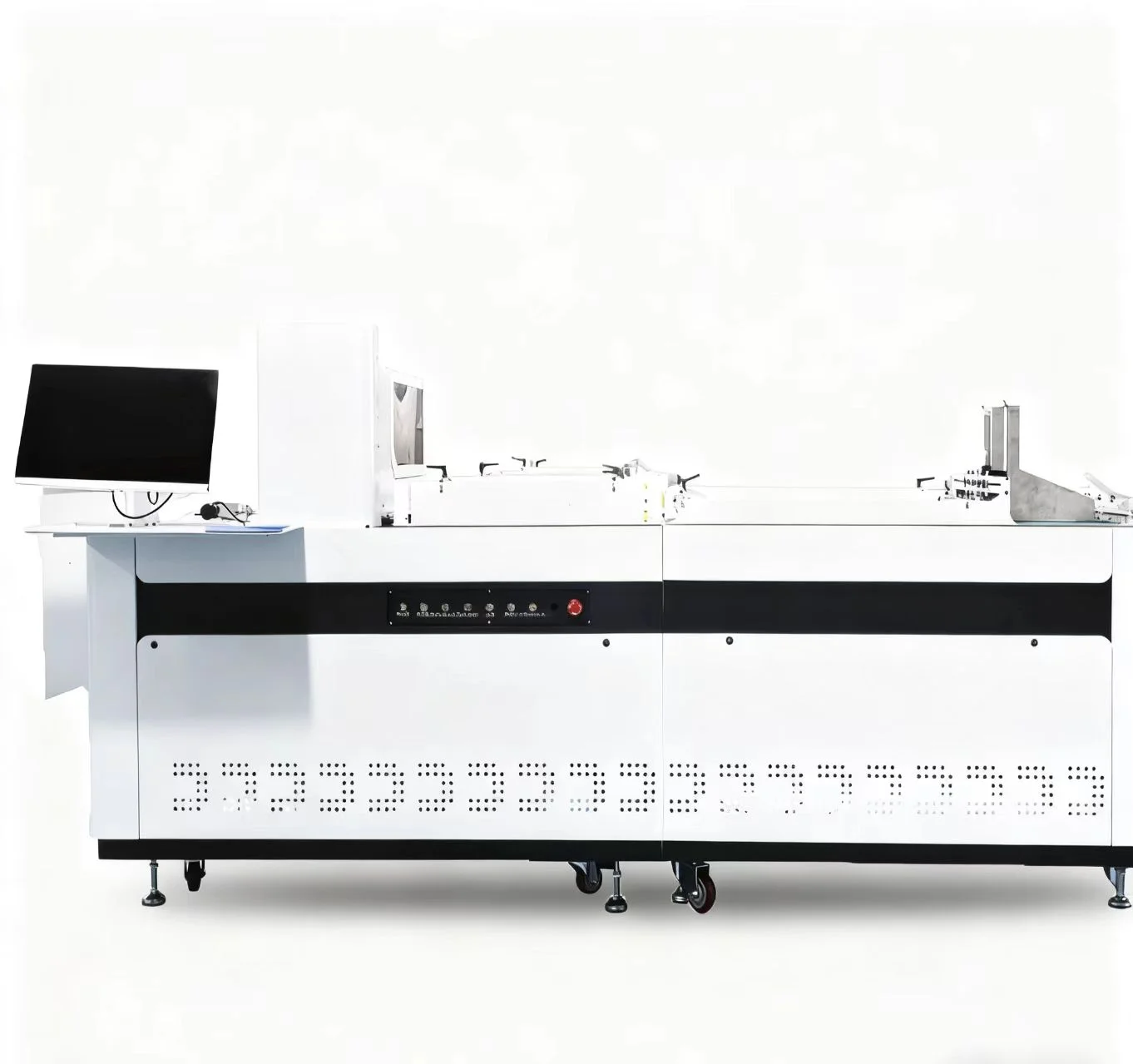
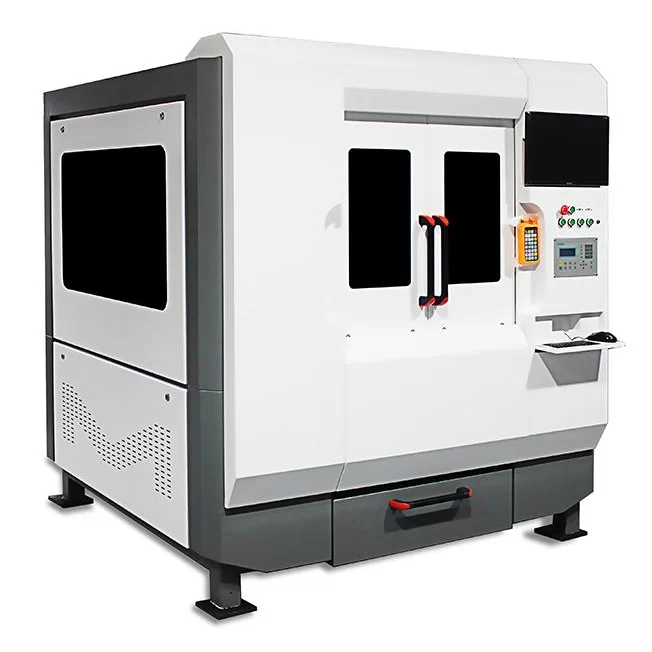
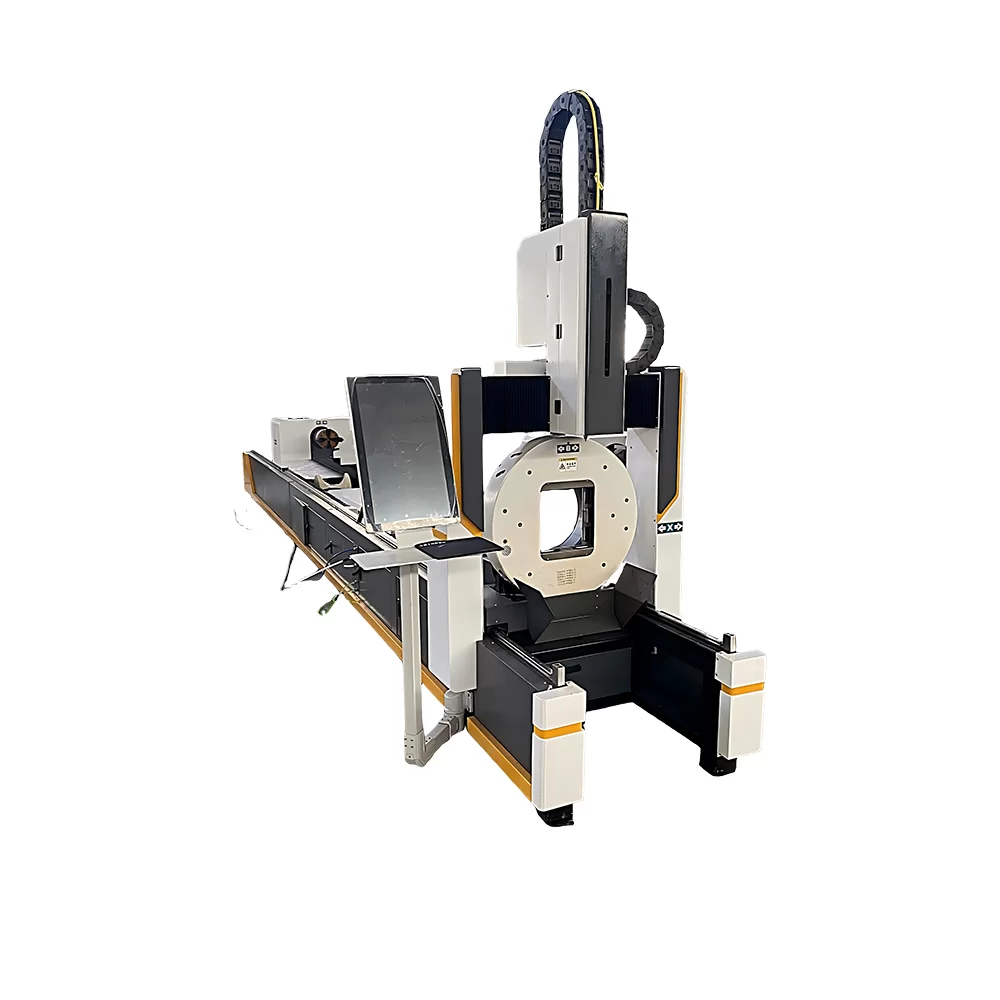
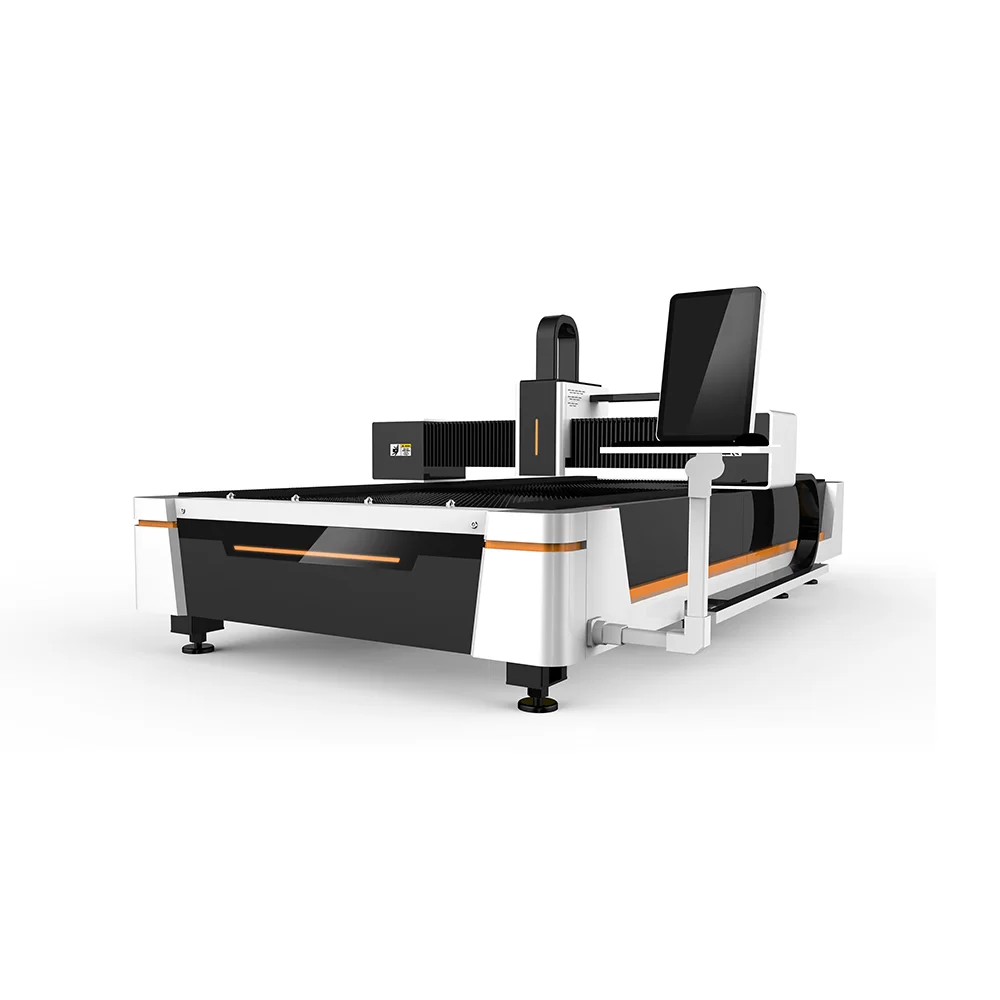
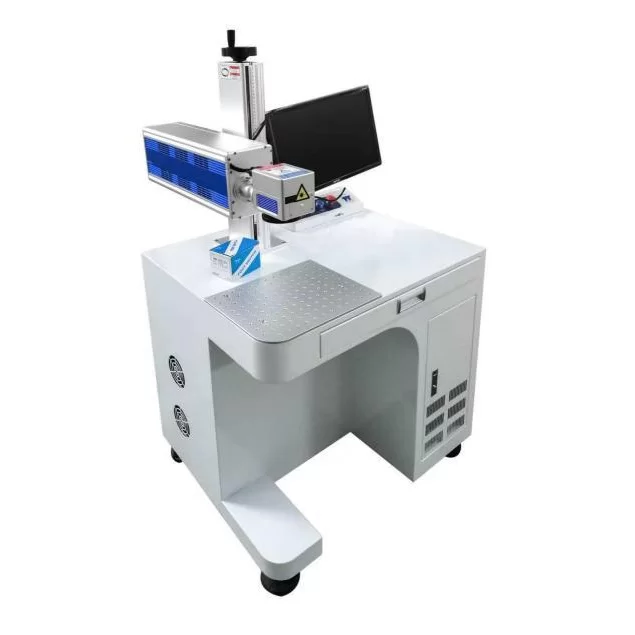
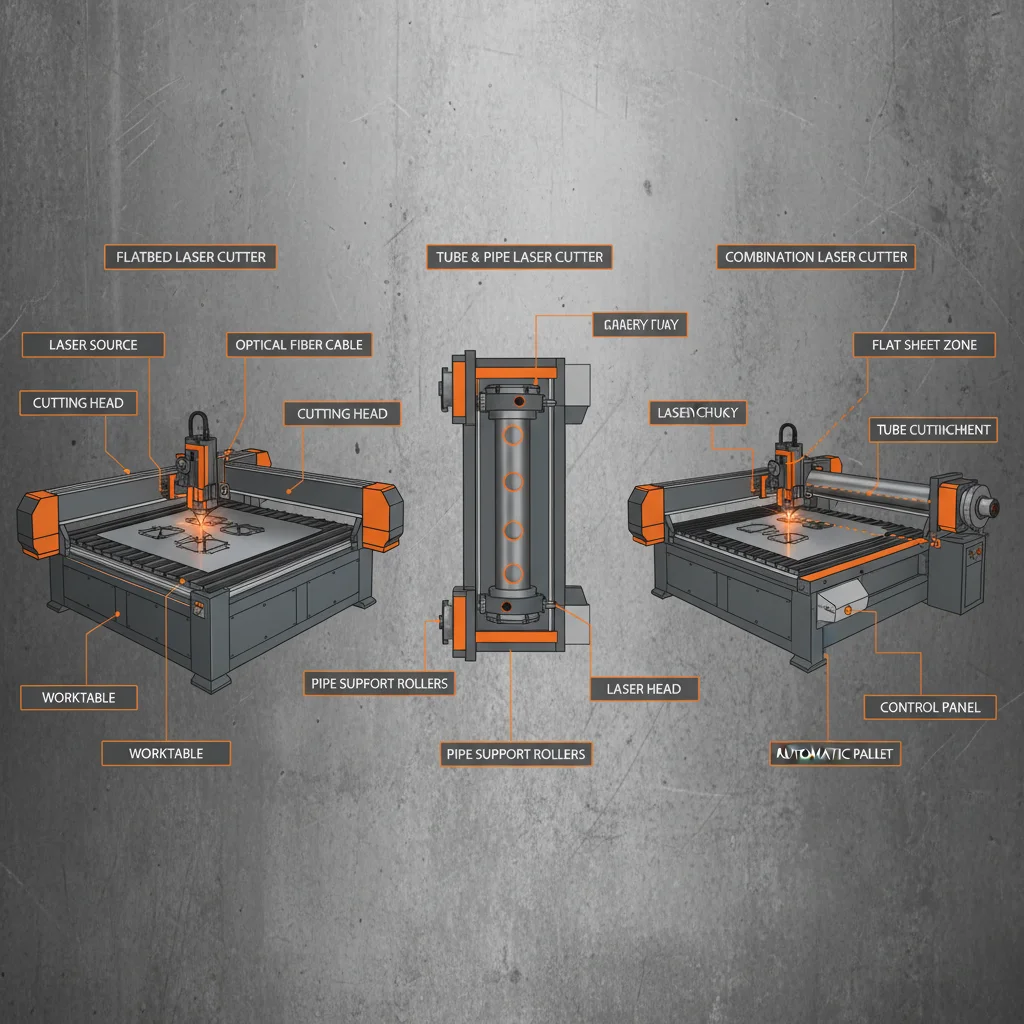
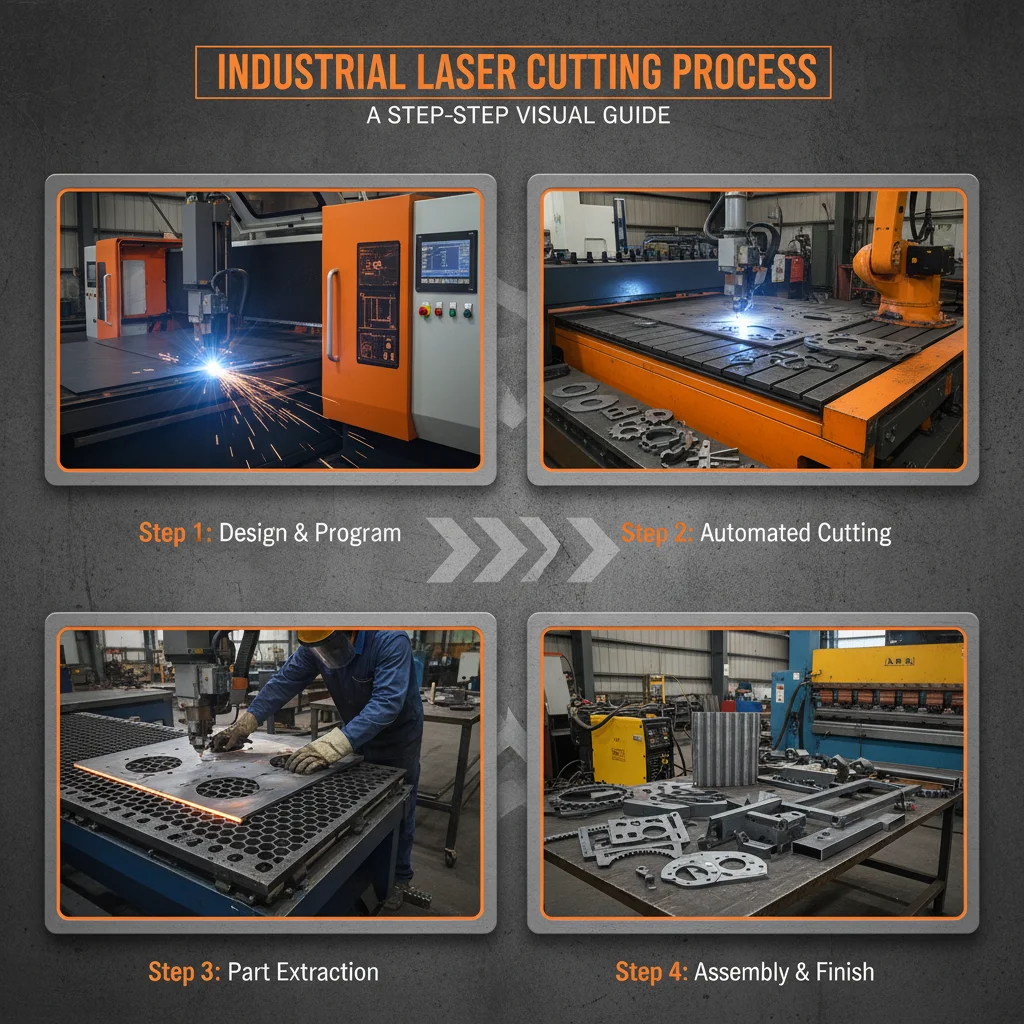
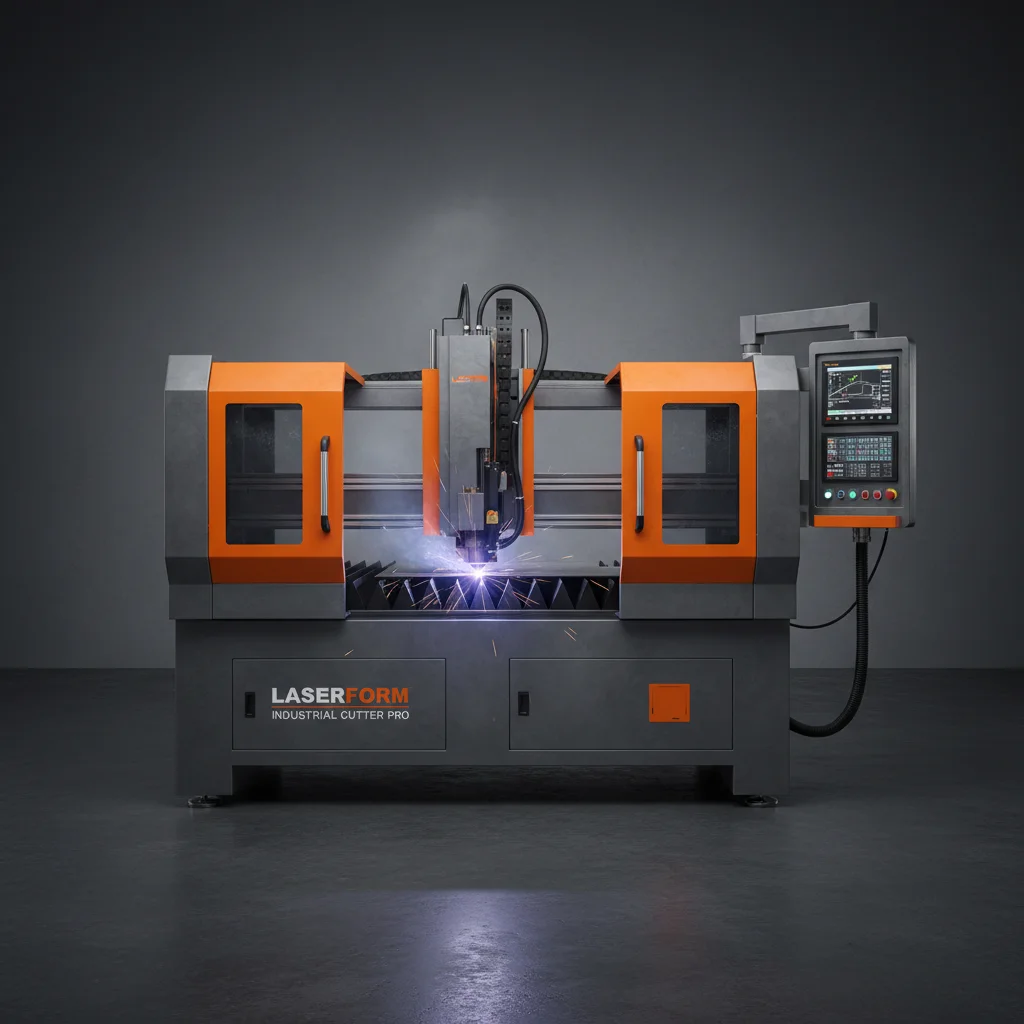
A typical laser cutting machine consists of several key components. The laser source generates the high-energy beam. The beam travels through a series of mirrors and lenses, guided by a precision motion control system. A nozzle directs compressed air or another assist gas to remove molten material and cool the cutting area. The worktable securely holds the material being cut. Understanding the function of each component is crucial for troubleshooting and maintenance. Topstar Laser's machines are designed with modular components for easy maintenance and repair.
Essential Components:
• Laser Source
• Mirrors & Lenses
• Motion Control System
• Assist Gas Nozzle
• Worktable
Achieving optimal cutting results requires careful adjustment of laser parameters. These include laser power, cutting speed, frequency, and assist gas pressure. The ideal settings vary depending on the material type and thickness. For example, cutting acrylic requires different parameters than cutting stainless steel. Experimentation and precise calibration are essential. Topstar Laser machines feature intuitive control panels and software that simplifies parameter adjustments and material profiles.
Regular maintenance is vital for ensuring the longevity and performance of your laser cutting machine. This includes cleaning the lenses and mirrors to maintain beam quality, inspecting and lubricating moving parts, and checking the assist gas supply. Proper cleaning prevents contamination that can lead to reduced cutting power and inaccurate results. Following the manufacturer’s recommended maintenance schedule is crucial. Topstar Laser offers comprehensive maintenance packages and support to keep your machine running smoothly.
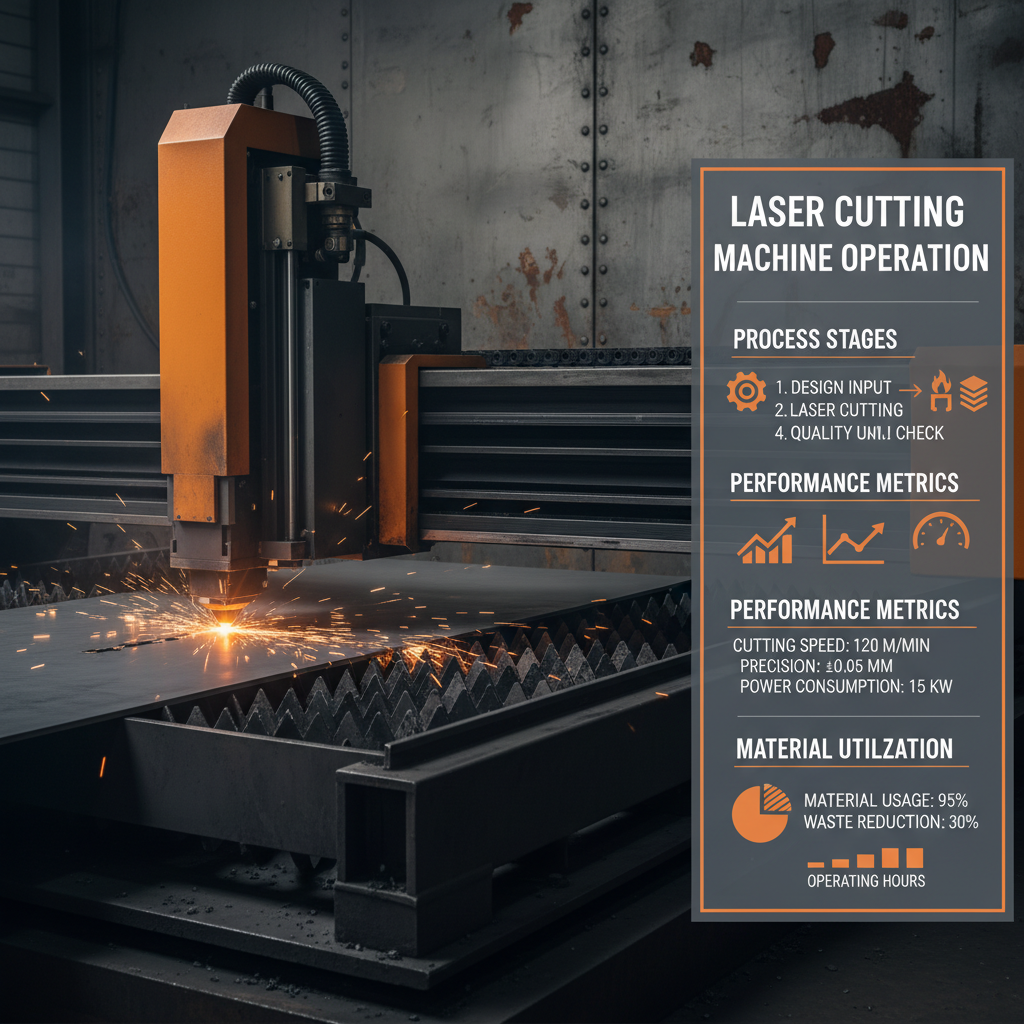
Despite careful operation, issues can arise. Common problems include poor cut quality, inconsistent power output, and error messages. Poor cut quality can often be traced to incorrect parameter settings or dirty optics. Inconsistent power output may indicate a failing laser source or power supply. Error messages usually provide clues to the underlying problem. Consulting the machine's manual and seeking support from Topstar Laser's technical team can help diagnose and resolve issues efficiently.
A thorough understanding of laser cutting machine operation, coupled with diligent safety practices and regular maintenance, is essential for achieving optimal results. By following the guidelines outlined in this guide and leveraging the expertise of Topstar Laser, you can unlock the full potential of your laser cutting machine and maximize your productivity.
A dedicated extraction system is essential. This system should effectively remove fumes and particulate matter generated during the cutting process. The type of filtration required depends on the materials being cut. For example, cutting acrylic may require a carbon filter to remove odors. Ensure the extraction system meets local safety regulations and is regularly maintained to ensure optimal performance. Improper ventilation can pose health risks to operators and compromise air quality.
The frequency of lens cleaning depends on usage and the materials being cut. As a general guideline, the lens should be inspected and cleaned after every 20-40 hours of operation. Use only specialized lens cleaning solutions and lint-free wipes to avoid scratching the surface. Contaminated lenses can significantly reduce cutting power and accuracy.
Burning or discoloration can be caused by several factors, including incorrect laser parameters (too much power or too slow speed), insufficient assist gas pressure, or a dirty lens. Experiment with reducing laser power or increasing cutting speed. Ensure the assist gas nozzle is properly aligned and delivering sufficient pressure. Regularly clean the lens to maintain beam quality. The material itself can also contribute to discoloration, so selecting appropriate parameters for each material is crucial.
Assist gas serves several critical functions. It removes molten material from the cutting kerf, cools the cutting area, and prevents oxidation. The type of assist gas used depends on the material being cut. Air is commonly used for cutting wood and acrylic, while oxygen is often used for cutting steel. Nitrogen can be used for cutting stainless steel to prevent oxidation. Proper assist gas pressure is essential for achieving clean and accurate cuts.