Shijiazhuang Topstar
International Trading Co., Ltd.


Get In Touch
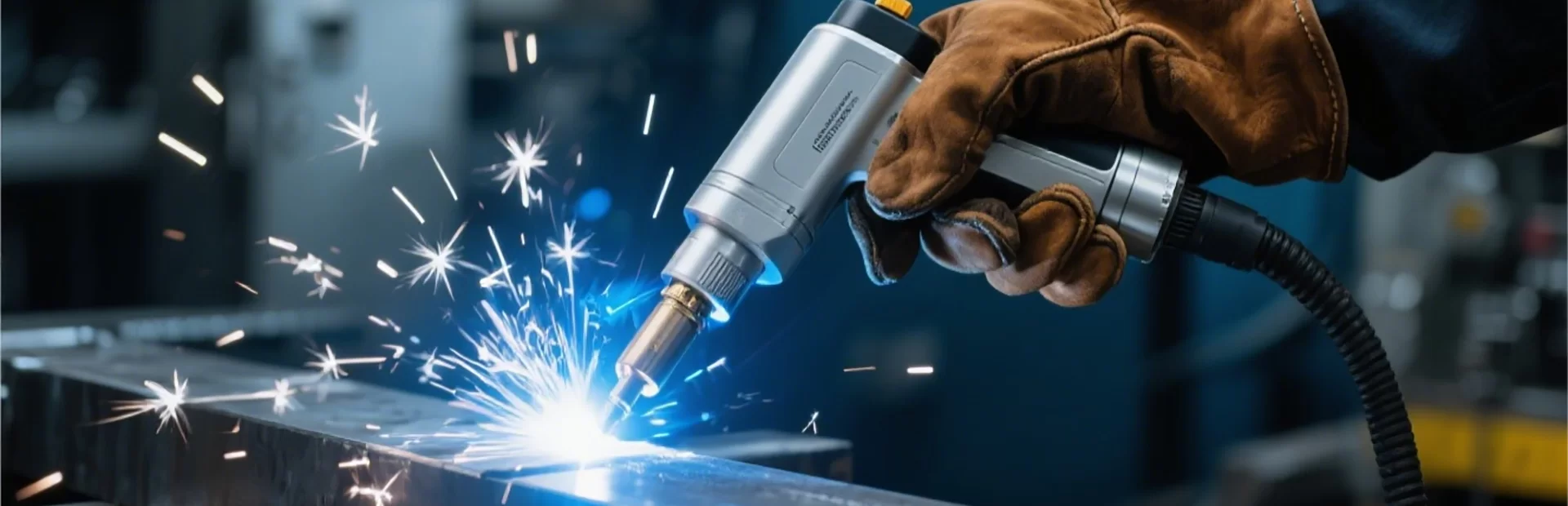
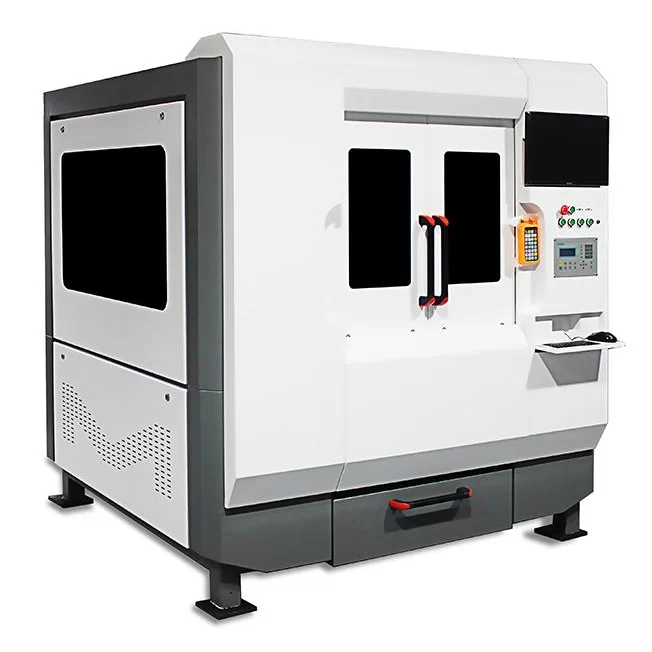
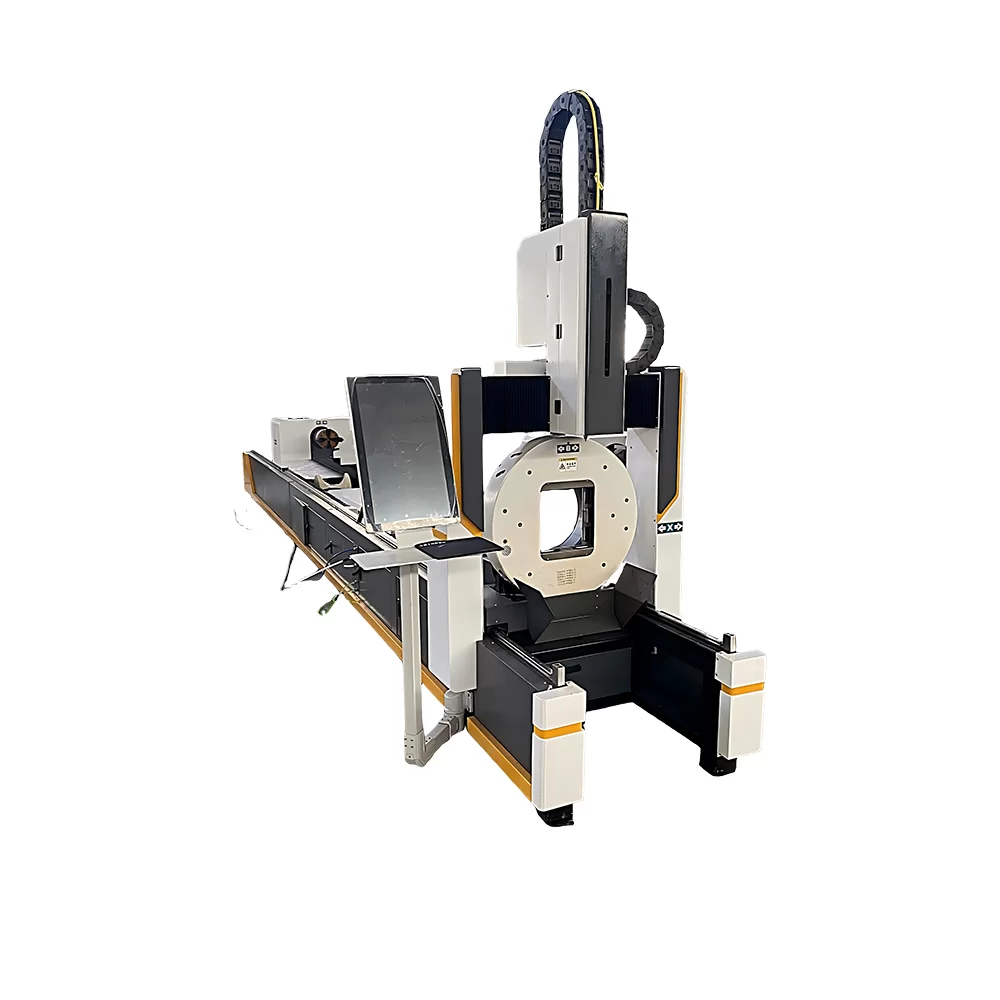
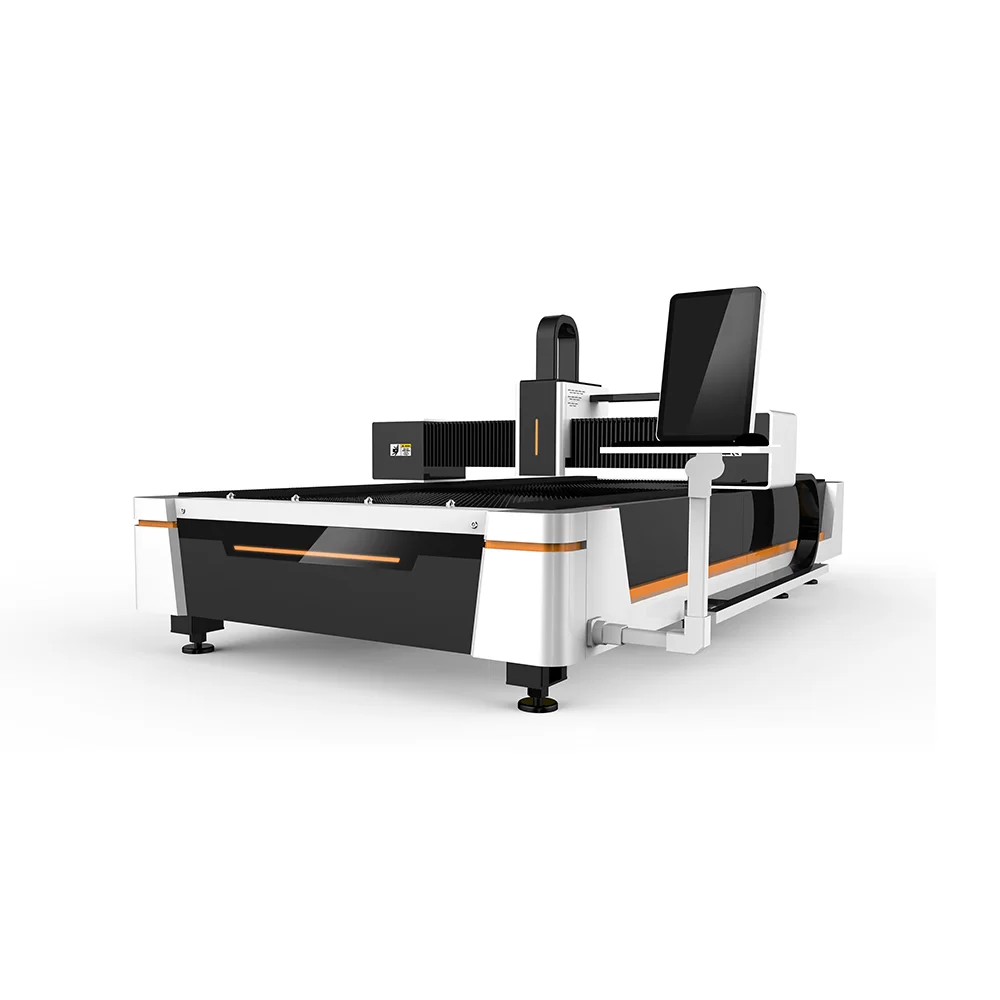
In today's competitive manufacturing landscape, precision, efficiency, and cost-effectiveness are paramount. A fiber laser metal cutting machine is a crucial investment for businesses looking to streamline their metal fabrication processes. However, selecting the right manufacturer is just as important as choosing the machine itself. This article explores key considerations when choosing a fiber laser cutting machine manufacturer, focusing on quality, service, and long-term support. We'll discuss what to look for in a partner to ensure a smooth integration and a strong return on investment.
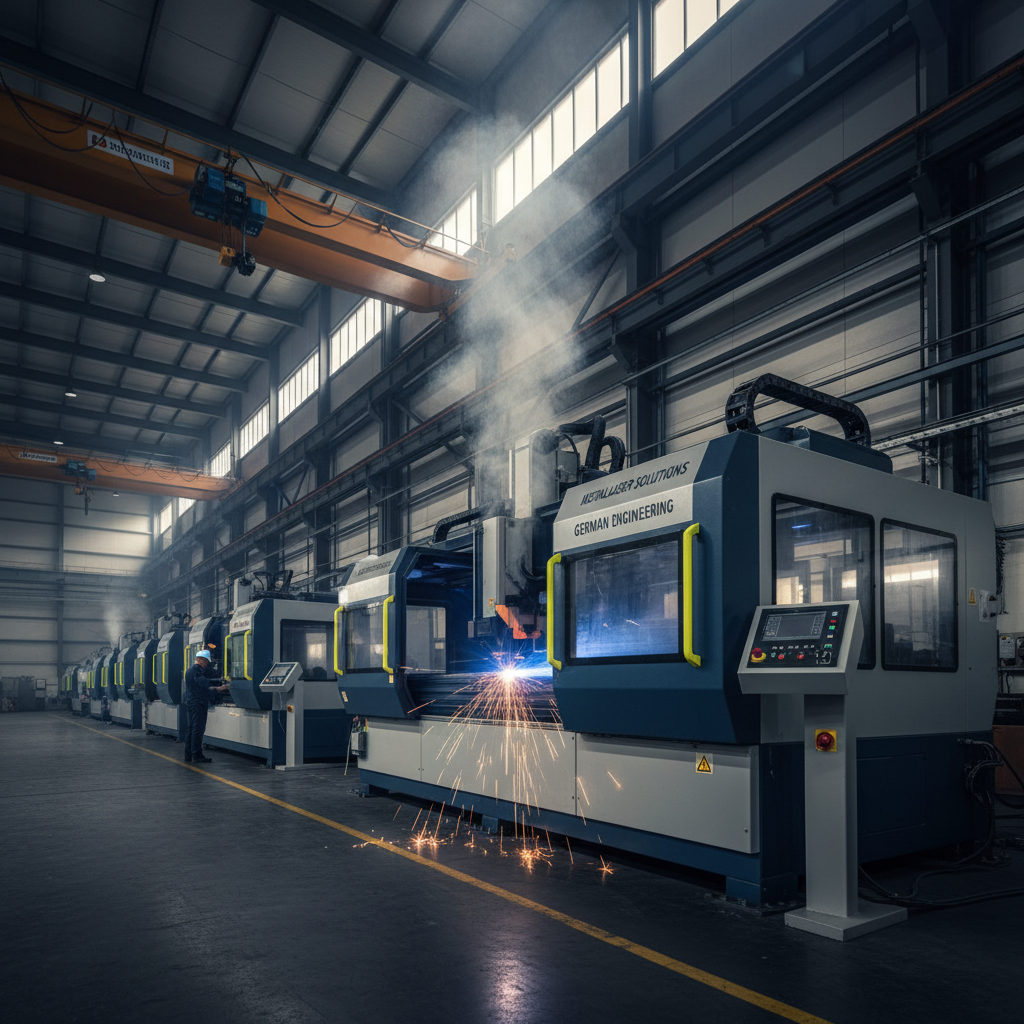
Choosing a fiber laser metal cutting machine manufacturer involves more than just comparing prices. Several crucial factors directly impact the performance, reliability, and longevity of your investment. These include the manufacturer's experience, the quality of their components, their commitment to after-sales service, and their ability to provide customized solutions. Prioritize manufacturers with a proven track record, positive customer testimonials, and a comprehensive understanding of your specific metal cutting needs. Look beyond the initial sale and consider the long-term partnership potential.
Key Highlights: A strong manufacturer offers not just a machine, but a comprehensive solution including installation, training, maintenance, and ongoing support.
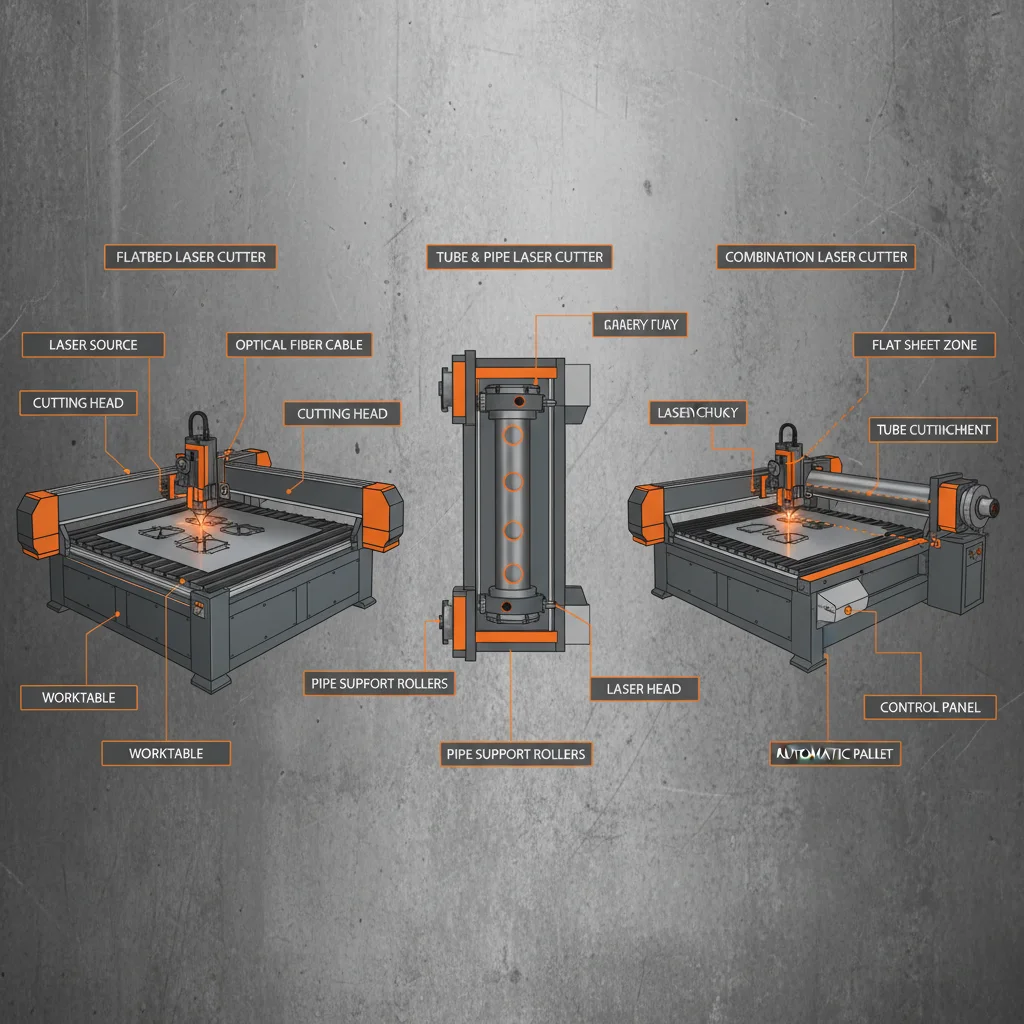
Delving into the technical specifications of a fiber laser cutting machine is essential. Key components like the laser source (IPG, Raycus, etc.), cutting head (Precitec, Wysiwyg, etc.), motion system, and control software significantly impact performance. Higher wattage lasers enable cutting thicker materials, while advanced control systems offer greater precision and automation capabilities. Understanding the origins of these components (e.g., sourced from reputable suppliers) provides insight into the machine's overall quality and reliability.
Key Component Considerations:
• Laser Source: Power output and beam quality are critical.
• Cutting Head: Affects precision and cutting speed.
• Motion System: Determines accuracy and stability.
• Control Software: User-friendliness and advanced features (nesting, automation) are essential.
The market for fiber laser cutting machines is competitive. Several manufacturers stand out based on their reputation, innovation, and customer support. Consider manufacturers like TopStar Laser, Trumpf, Amada, and Bystronic. Each offers a range of machines with varying capabilities and price points. Researching their product lines, reading customer reviews, and requesting quotes are crucial steps in the decision-making process.
A fiber laser metal cutting machine is a complex piece of equipment. Even with a high-quality machine, breakdowns and maintenance requirements are inevitable. A reliable manufacturer provides comprehensive after-sales service, including installation, training, preventative maintenance, and readily available spare parts. Look for manufacturers offering remote diagnostics, on-site support, and responsive customer service to minimize downtime and maximize productivity.
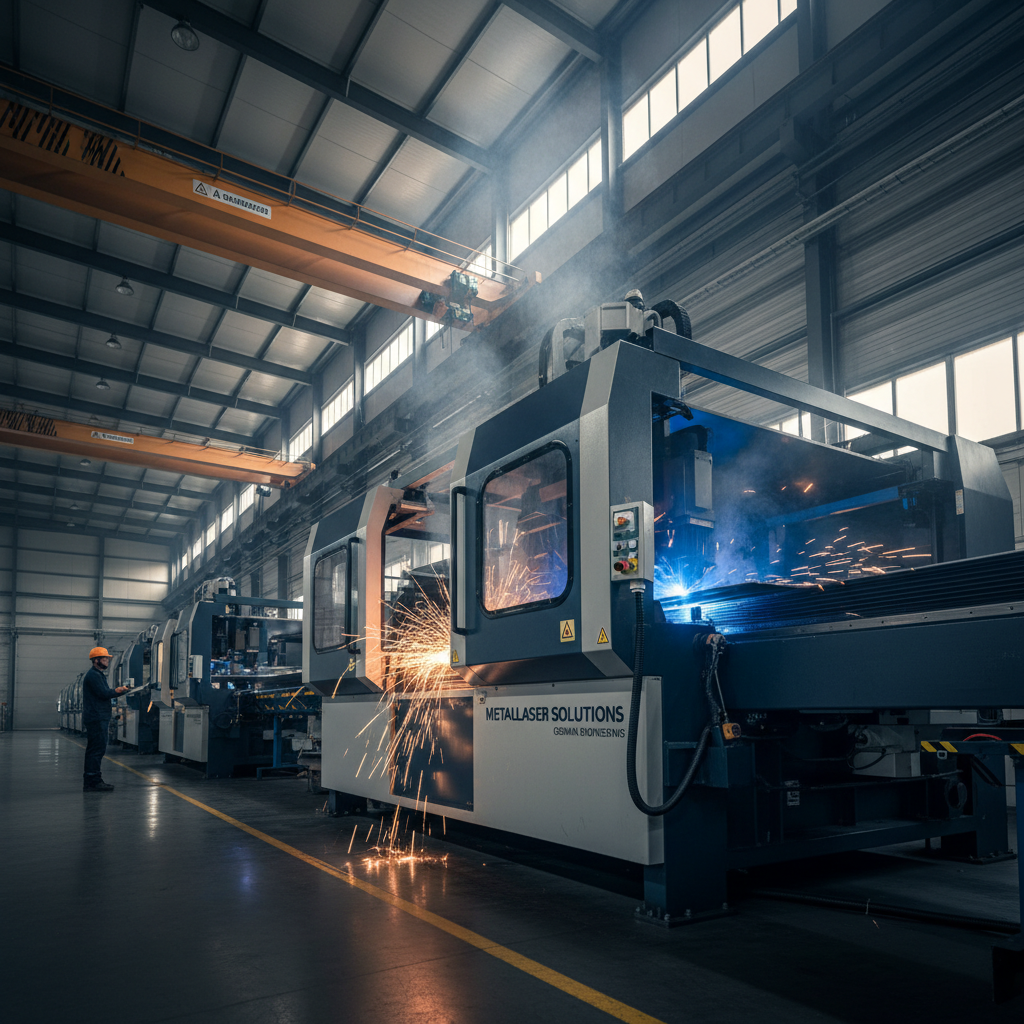
Not every business has the same metal cutting needs. A good manufacturer offers customization options to tailor the machine to your specific requirements. This may include adjustments to the work area size, automation features, or specialized cutting heads. Furthermore, consider the machine's integration capabilities with your existing manufacturing systems. A seamless integration streamlines workflow and enhances efficiency. TopStar Laser excels in providing bespoke solutions designed to optimize your metal fabrication process.
Choosing the right fiber laser metal cutting machine manufacturer is a critical decision. Prioritize quality, service, customization, and long-term support. By selecting a reliable partner like TopStar Laser, you can ensure a smooth integration, maximize productivity, and achieve a strong return on your investment.
Lead times can vary significantly depending on the manufacturer, the machine's complexity, and current demand. Generally, expect a lead time of 4-12 weeks. Customization options and specific configurations can extend this timeframe. It's crucial to discuss lead times upfront with the manufacturer to align with your project schedule. Manufacturers like TopStar Laser offer clear communication regarding production timelines and potential delays.
Reputable manufacturers offer comprehensive training programs to ensure operators can safely and effectively use the machine. This training typically covers machine operation, programming, maintenance, and troubleshooting. Training can be conducted on-site at your facility or at the manufacturer's location. TopStar Laser provides both on-site and remote training options, tailored to your team's needs.
Power consumption varies depending on the laser's wattage and machine usage. A typical 1kW fiber laser machine may consume around 8-12 kW of power. Higher wattage machines will have correspondingly higher power requirements. It's essential to ensure your facility has sufficient electrical capacity to support the machine. Manufacturers can provide detailed power consumption specifications for their machines.
Fiber laser cutting machines are incredibly versatile and can cut a wide range of materials, including mild steel, stainless steel, aluminum, brass, copper, and various alloys. They can also process some non-metals like acrylic and plastics. The specific materials and thicknesses a machine can handle depend on its wattage and capabilities. TopStar Laser machines are designed to handle diverse material applications.