Shijiazhuang Topstar
International Trading Co., Ltd.


Get In Touch
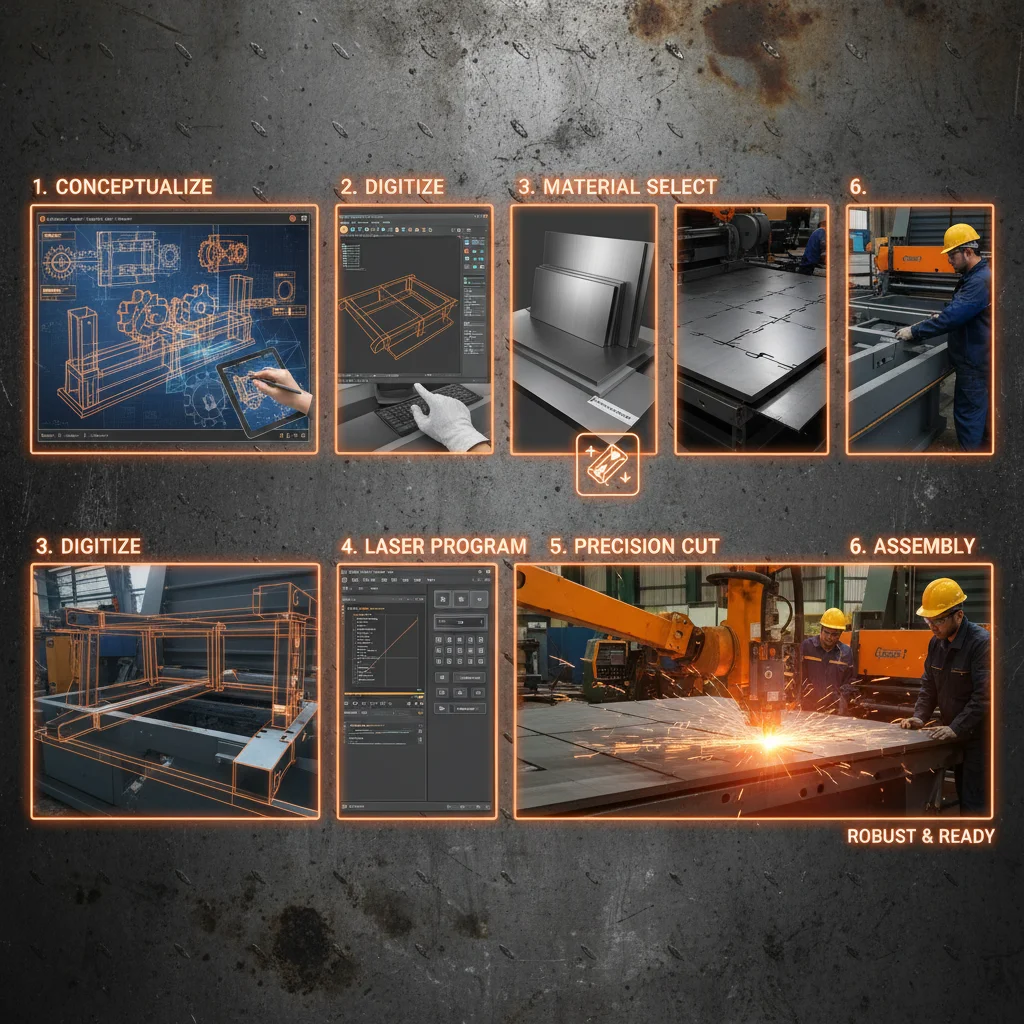
In the demanding landscape of modern manufacturing, precision and efficiency are paramount. The advent of the laser cutting machine for tube has revolutionized how industries approach the processing of various pipe and profile materials, fundamentally shifting paradigms from conventional, often labor-intensive methods to highly automated, high-precision operations. This advanced technology addresses the persistent challenges of intricate cuts, material wastage, and slow production cycles that plague traditional methods like sawing, drilling, and punching. By harnessing the focused power of a high-energy laser beam, these machines can effortlessly slice through a wide array of metals, including stainless steel, carbon steel, aluminum, brass, and copper, with unparalleled accuracy and speed. The versatility extends beyond simple straight cuts, encompassing complex geometries, angles, holes, and even decorative patterns, all executed with a single setup and minimal manual intervention. This capability not only enhances the aesthetic quality of finished products but also significantly reduces the need for secondary processing steps, thereby compressing manufacturing timelines and lowering overall production costs.
The evolution of tube laser cutting technology is a testament to relentless innovation. Early systems, while groundbreaking, were often limited in power and software sophistication. Today's state-of-the-art machines integrate sophisticated CAD/CAM software, real-time monitoring systems, and advanced material handling capabilities, transforming them into intelligent manufacturing hubs. This evolution empowers fabricators to tackle increasingly complex projects with confidence, from bespoke architectural elements to critical components for aerospace and automotive industries. The inherent non-contact nature of laser cutting eliminates tool wear and material deformation, ensuring consistent quality across large production runs. Furthermore, the capacity for nesting and optimizing material usage is a significant advantage, directly impacting profitability by minimizing scrap. As industries continue to push the boundaries of design and functionality, the reliance on a robust and adaptable tube laser cutting solution becomes not just an advantage, but a necessity for maintaining a competitive edge in a global marketplace.
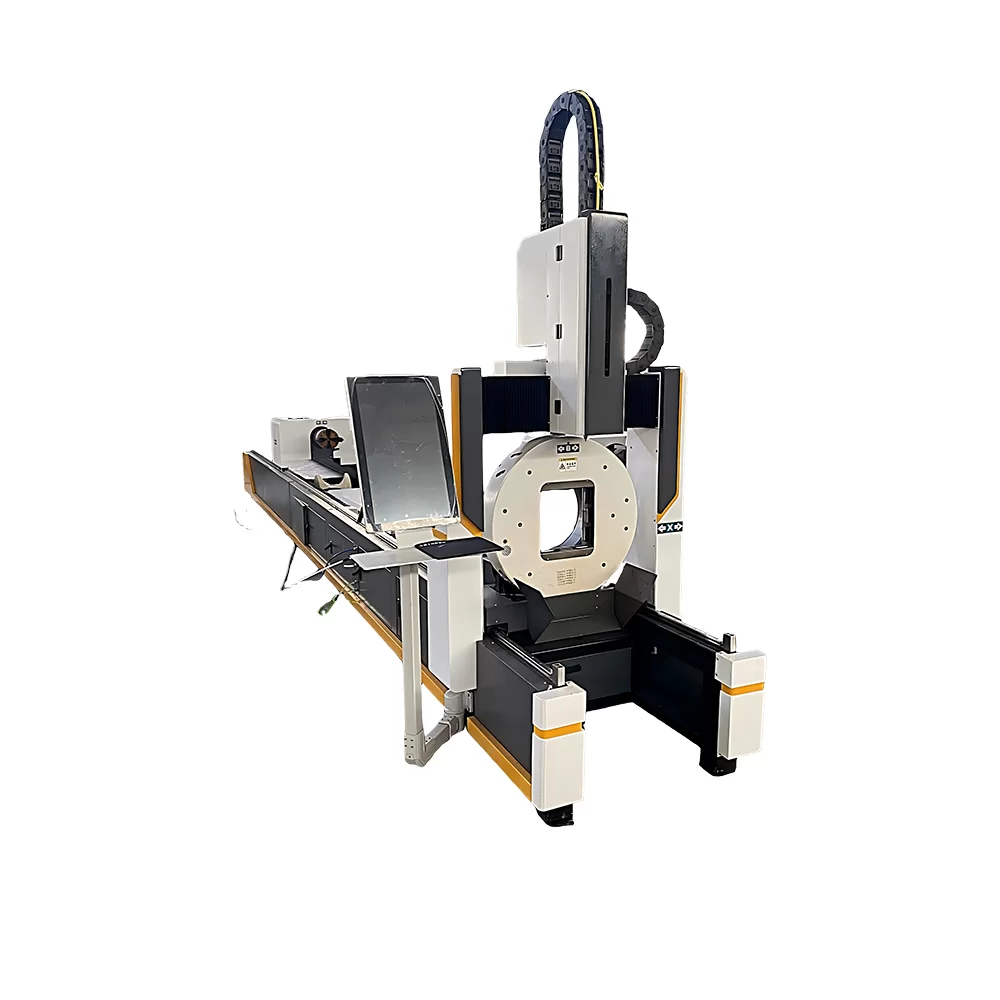
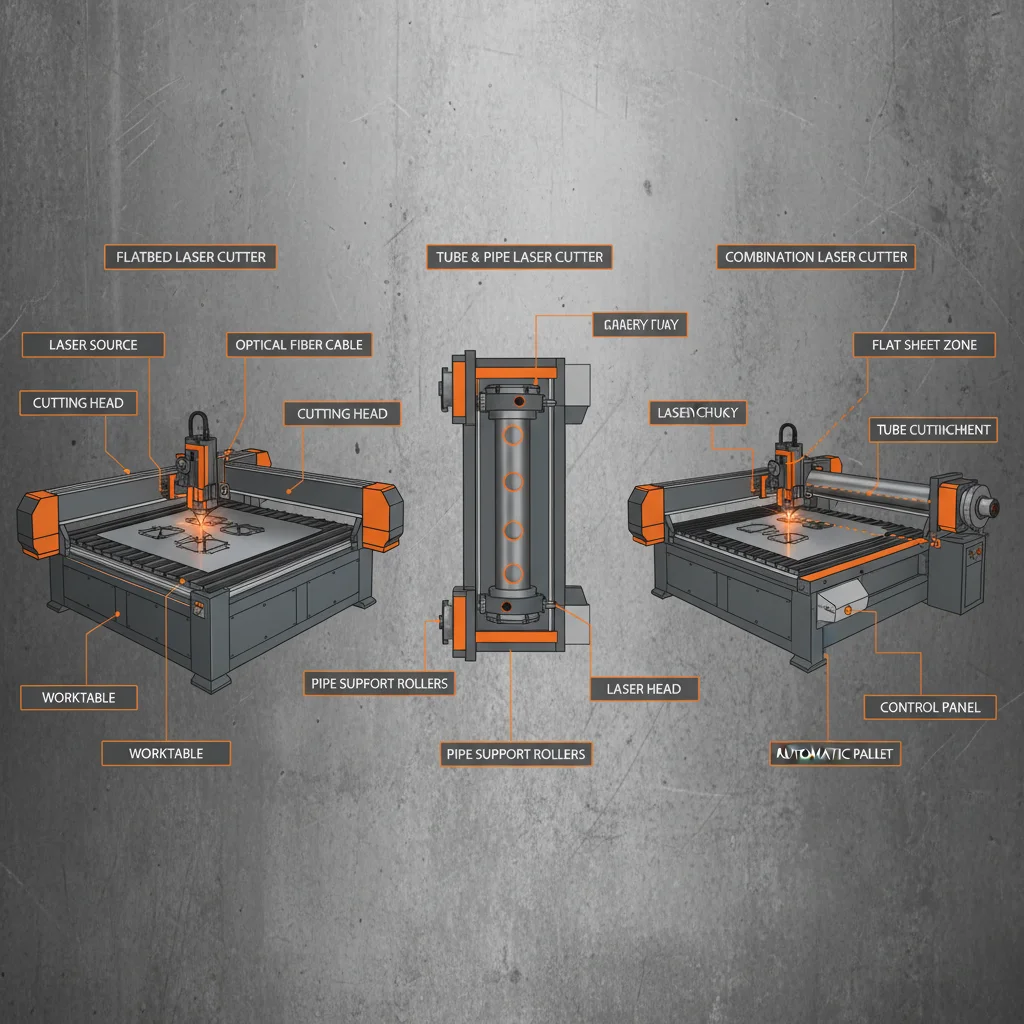
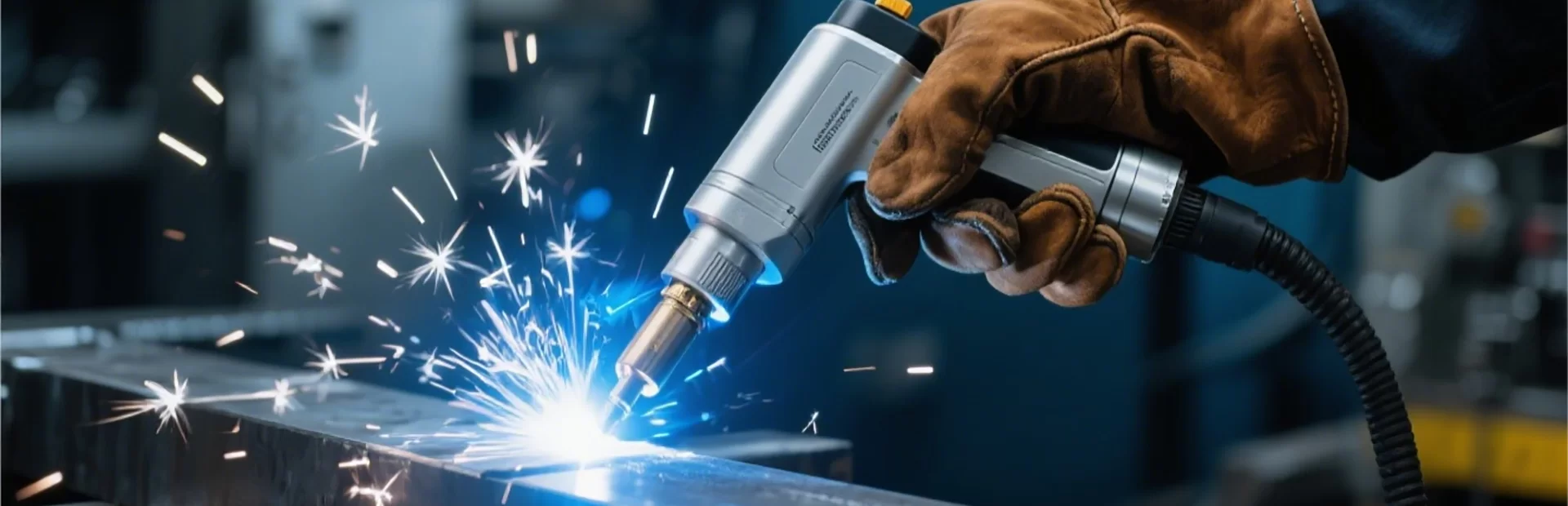
The core of a tube laser cutting system's superiority lies in its sophisticated technical architecture. At its heart is a powerful laser resonator, typically a fiber laser, which generates an intensely focused light beam. This beam is then directed through a series of mirrors and lenses to a cutting head, where it is concentrated to a minute spot size – often just a fraction of a millimeter. When this superheated beam strikes the metal surface, it rapidly melts, vaporizes, or burns away the material, creating a clean, burr-free cut. The integration of advanced numerical control (CNC) systems is crucial, dictating the precise path and speed of the cutting head according to pre-programmed designs. These CNC systems, often featuring multi-axis capabilities (X, Y, Z, and rotary axes), allow for intricate cuts on round, square, rectangular, oval, and other custom-profile tubes. The rotary axis, in particular, is vital for manipulating the tube to expose different surfaces to the laser, enabling comprehensive processing without needing to re-clamp the workpiece.
Beyond the basic cutting mechanism, several critical technical features contribute to the overall performance and reliability. Automated loading and unloading systems significantly reduce cycle times and labor costs, particularly in high-volume production environments. These systems can handle bundles of raw tubes, feed them sequentially into the machine, and then sort finished parts, enabling lights-out manufacturing. Gas assist systems, utilizing gases like oxygen, nitrogen, or compressed air, are also integral. Oxygen assists in cutting thicker mild steel by promoting an exothermic reaction, while nitrogen provides a clean, oxide-free cut on stainless steel and aluminum, crucial for applications requiring high aesthetic quality or subsequent welding. Precision motion control, often employing linear motors and high-resolution encoders, ensures unparalleled accuracy and repeatability, often within a few micrometers. Furthermore, intelligent sensing technologies, such as edge detection and automatic calibration, minimize setup times and compensate for minor variations in raw material, further enhancing productivity and material utilization. These combined technical elements make modern tube laser cutting machines incredibly versatile, precise, and robust tools for demanding industrial applications.
The real impact of a high-quality tube laser cutting system is best understood through its quantifiable benefits, translating directly into enhanced profitability and operational efficiency. Consider the stark contrast in production speeds: while conventional methods like band sawing or drilling might take several minutes per cut or hole, a modern tube laser can execute complex profiles and multiple holes in seconds. For instance, a typical 100mm diameter stainless steel tube, 3mm thick, might be processed at speeds exceeding 15 meters per minute for straight cuts, and intricate designs can be completed in a fraction of the time required by manual or semi-automated processes. This translates to an impressive increase in throughput, often boosting production capacity by 200-500% compared to traditional multi-step manufacturing.
Material utilization is another critical area where laser tube cutting excels. Advanced nesting software can optimize the layout of parts on a single tube, minimizing scrap rates to as low as 1-3%, a dramatic improvement over the 10-20% typical with traditional methods that often leave significant remnants. This reduction in material waste alone can lead to substantial cost savings, particularly when working with expensive alloys. Furthermore, the precision of laser cutting eliminates the need for deburring, grinding, or other secondary finishing operations, which can account for 15-30% of total production time and labor costs in conventional processes. By consolidating multiple steps into a single machine operation, manufacturers can often realize a reduction in labor requirements by as much as 50-70%. The improved accuracy and repeatability also lead to fewer rejected parts, bolstering overall quality control. When factoring in reduced lead times, lower operational expenditures, and higher-quality output, the Return on Investment (ROI) for a modern tube laser cutting machine can often be achieved within 18-36 months, making it a compelling strategic investment for businesses aiming for lean manufacturing and sustained growth.
Selecting the right tube laser cutting machine involves a thorough evaluation of various manufacturers, each offering distinct advantages in terms of technology, features, support, and cost. While specific brand names are beyond the scope of this general discussion, we can outline key parameters for comparison, helping prospective buyers make informed decisions. Different manufacturers often specialize in certain power ranges, tube diameters, or automation levels, catering to diverse industrial needs, from small workshops to large-scale production facilities. Understanding these differentiators is crucial for aligning machine capabilities with specific production requirements and budgetary constraints.
Below is a comparative table highlighting typical variations one might encounter when evaluating different tube laser cutting machine offerings on the market. This framework can assist in weighing the pros and cons of various models and manufacturers.
Feature/Parameter | Manufacturer A (High-End Performance) | Manufacturer B (Balanced Value) | Manufacturer C (Entry-Level/Specialized) |
Laser Power (kW) | 6kW - 15kW | 3kW - 8kW | 1kW - 4kW |
Max Tube Diameter (mm) | 320mm | 220mm | 160mm |
Max Tube Length (m) | 9m | 6m | 4m |
Cutting Speed (m/min - 3mm SS) | Up to 30 | Up to 20 | Up to 15 |
Positional Accuracy (mm) | ±0.03 | ±0.05 | ±0.08 |
Automation Level | Full Auto-loading/Unloading, Bundle Feeder, Part Sorting | Semi-Auto Feeder, Manual Unloading Option | Manual Loading/Unloading |
Software Features | Advanced 3D Nesting, AI-driven Optimization, Remote Diagnostics | Standard 2D/3D Nesting, Basic Diagnostics | Basic Cutting Software |
Maintenance & Support | Global 24/7 Support, Predictive Maintenance, Extensive Spares | Regional Support, Standard Spares Availability | Local Dealer Support, Limited Spares |
Typical Price Range (USD) | $350,000 - $1,000,000+ | $150,000 - $400,000 | $70,000 - $200,000 |
Best For | High-volume, complex geometries, diverse materials, maximum efficiency | Medium-volume, balanced performance, versatile applications | Small-batch, specialized applications, entry into laser cutting |
This comparison underscores the importance of a detailed needs assessment. A high-end machine offers unparalleled speed and versatility but comes with a significant investment. A mid-range option provides a strong balance of features and cost-effectiveness, suitable for many general fabrication shops. Entry-level or specialized machines can be ideal for niche applications or businesses with limited budgets looking to gain specific capabilities. Beyond the technical specifications, factors such as manufacturer reputation, local service and support, software compatibility with existing systems, and training availability should also play a crucial role in the decision-making process.
One of the most compelling advantages of modern tube laser cutting technology is its inherent adaptability, allowing for extensive customization to meet the highly specific demands of various industries and applications. Generic, off-the-shelf solutions often fall short when faced with unique production challenges, but leading manufacturers understand this and offer a modular approach to machine configuration. This means that a standard laser cutting machine for tube can be significantly enhanced and modified to precisely align with a client's workflow, material types, and output requirements. For instance, companies processing exceptionally long tubes (e.g., for structural elements in construction or automotive chassis) can opt for extended bed lengths, sometimes up to 12 or 15 meters, coupled with specialized support systems to prevent sagging and ensure stability during cutting.
Conversely, operations dealing with very small or delicate tubes might require finer laser optics and highly sensitive clamping mechanisms to prevent deformation. The choice of laser source itself is a key customization point: while fiber lasers are standard for most metals due to their efficiency and speed, some niche applications might benefit from CO2 lasers for certain non-metallic or composite materials, though this is less common for general metal tube cutting. Automation levels are another area of significant customization. While a basic machine might rely on manual loading, higher-tier systems can be equipped with fully automated bundle loaders, robotic part sorters, and integrated conveyor systems that connect directly to subsequent manufacturing stages like welding or bending. This level of automation can be scaled to match specific production volumes, from single-piece flow to high-batch production. Software integration is also paramount; custom API connections can link the machine's CAD/CAM system directly with a company's ERP (Enterprise Resource Planning) or MES (Manufacturing Execution System) software, enabling seamless data flow, production scheduling, and inventory management. Such tailored solutions ensure that the investment in a tube laser cutting machine delivers maximum utility and ROI, becoming a truly integral part of an optimized manufacturing ecosystem.
The versatility of tube laser cutting technology is vividly demonstrated across a myriad of industrial applications, driving innovation and efficiency in sectors ranging from automotive to medical. In the automotive industry, tube lasers are indispensable for producing lightweight yet robust chassis components, exhaust systems, roll cages, and frame structures. For instance, a major automotive supplier utilized a high-power tube laser to cut intricate geometries into hydroformed steel tubes for vehicle frames, reducing the component weight by 15% while improving structural rigidity. This led to enhanced fuel efficiency and safety, meeting stringent industry standards. The precision of the laser allowed for complex interlocking designs that simplified assembly, cutting welding time by 20% and material waste by 10%.
The furniture and architectural design sectors also heavily leverage this technology. Designers can achieve previously impossible aesthetic forms and functional structures, from custom chairs with integrated joints to elaborate facade elements and balustrades. A furniture manufacturer specializing in modern metal designs adopted tube laser cutting, enabling them to create complex, seamless joint designs without the need for traditional welding or mechanical fasteners, reducing assembly time by 30% and vastly expanding their product catalog with intricate, high-value pieces. Similarly, in architecture, tube lasers facilitate the creation of custom handrails, intricate support structures, and aesthetic cladding, ensuring precise fits and finishes that are critical for complex building projects.
In agriculture and heavy machinery manufacturing, robust components for tractors, harvesters, and construction equipment are routinely processed using tube lasers. The ability to cut thick-walled tubes with high accuracy ensures the durability and reliability of these machines. One agricultural equipment manufacturer used tube laser cutting to produce tubular frames for sprayers, replacing a multi-step process of sawing, drilling, and punching. This consolidation of operations not only cut manufacturing time by 40% but also improved the structural integrity of the frames due to the precision of the laser cuts, leading to a 5% reduction in warranty claims related to frame fatigue. The technology also finds critical applications in the medical device industry for creating precision components for instruments and implants, where exact dimensions and burr-free edges are non-negotiable. Furthermore, in the fitness equipment sector, tube lasers streamline the production of frames for treadmills, ellipticals, and weight machines, providing the strength, aesthetic appeal, and modularity required for consumer products. These diverse case studies underscore the pivotal role of tube laser cutting as a foundational technology empowering innovation and efficiency across manufacturing disciplines.
As industries worldwide continue to gravitate towards greater automation, higher precision, and optimized material usage, the strategic importance of investing in a state-of-the-art laser cutting machine for tube cannot be overstated. This technology is more than just a piece of equipment; it represents a fundamental shift in manufacturing capability, offering a significant competitive edge in a globalized market. The ability to execute complex geometries with unparalleled speed and accuracy, minimize material waste, and reduce labor costs directly contributes to a stronger bottom line and increased operational agility. Furthermore, the flexibility offered by modern tube laser systems allows manufacturers to quickly adapt to evolving design trends and market demands, enabling rapid prototyping and efficient production of both high-volume standardized parts and low-volume custom components. This adaptability ensures future-proofing against rapid technological changes and market fluctuations.
Beyond immediate financial returns, the adoption of advanced tube laser cutting elevates a company's brand image, signaling a commitment to quality, innovation, and efficiency. It empowers engineers and designers to think beyond the limitations of traditional fabrication, opening up new possibilities for product development and functional enhancements. The consistent quality and precision inherent in laser-cut components also contribute to improved assembly processes and higher end-product reliability, bolstering customer satisfaction. For businesses looking to expand capabilities, streamline production, and secure a prominent position in their respective markets, investing in a modern tube laser cutting machine is not merely an expenditure but a strategic imperative. It is an investment in cutting-edge technology that promises not just efficiency gains but also sustained growth, innovation, and a robust future in the dynamic world of advanced manufacturing.
1. What types of materials can a laser cutting machine for tube process?
Modern tube laser cutting machines are highly versatile and can process a wide range of metallic materials, including carbon steel, stainless steel, aluminum, brass, copper, galvanized steel, and titanium. The specific material and thickness capabilities depend on the laser power and machine configuration.
2. What is the maximum tube size (diameter and length) a typical machine can handle?
Tube diameter capabilities typically range from 10mm up to 320mm or even more for specialized machines. Standard tube lengths handled are usually 6 meters, but extended versions can accommodate lengths up to 9 or 12 meters, depending on the manufacturer and model.
3. How does laser tube cutting compare to traditional cutting methods like sawing or plasma?
Laser tube cutting offers superior precision, speed, and versatility compared to traditional methods. It produces burr-free edges, eliminates the need for secondary finishing, and can create complex geometries and holes in a single setup. Plasma cutting is faster for very thick materials but offers lower precision and a wider kerf.
4. What are the key advantages of using a fiber laser for tube cutting?
Fiber lasers are highly efficient, offer excellent beam quality, require less maintenance, and have a longer lifespan compared to CO2 lasers. They are particularly effective for cutting reflective materials like copper and brass, providing faster processing speeds and lower operating costs for most common metals.
5. What kind of software is used to operate a laser cutting machine for tube?
Tube laser cutting machines utilize sophisticated CAD/CAM software for designing parts and generating cutting paths. This software often includes advanced nesting capabilities to optimize material usage and reduce waste, as well as features for automatic programming, collision avoidance, and real-time monitoring.
6. What kind of maintenance is required for a tube laser cutting machine?
Maintenance typically involves routine cleaning of optics (lenses, nozzles), checking and replacing consumables (nozzles, ceramic rings), lubricating moving parts, and ensuring the stability of the laser resonator. Modern machines often include predictive maintenance features and remote diagnostics to minimize downtime.
7. What is the typical ROI for investing in a tube laser cutting machine?
The Return on Investment (ROI) can vary based on production volume, material costs, and labor savings, but many businesses report achieving ROI within 18 to 36 months. Significant savings come from increased production speed, reduced material waste, elimination of secondary operations, and lower labor costs.